
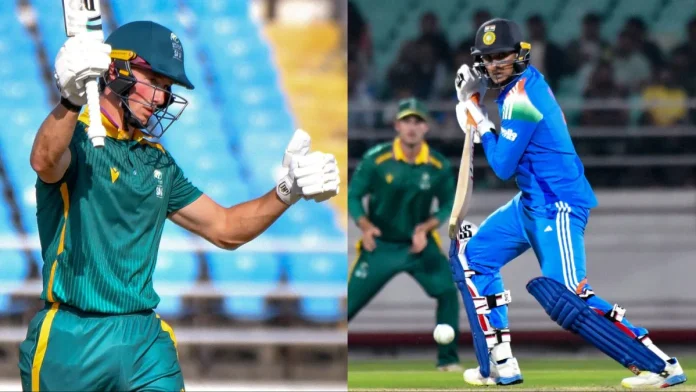
The India national cricket team vs South Africa national cricket team match scorecard is an important resource for cricket fans who want to understand how a match unfolded, which players performed well, and what moments influenced the final result. India and South Africa have competed in numerous memorable international matches across Test cricket, One Day Internationals (ODIs), and Twenty20 Internationals (T20Is). Their contests often feature talented batters, fast bowlers, skilful spinners, and exciting finishes.
A scorecard provides much more than the final total. It records individual batting contributions, wickets, overs, bowling figures, extras, partnerships, and other statistics that help explain the contest. Whether supporters are following a bilateral series, a major ICC tournament, or a historic encounter, understanding the scorecard makes the experience more informative. Since the exact figures depend on the match, readers should identify the format, date, venue, and competition before interpreting individual statistics. This guide explains how to read the scorecard and evaluate the performances of both teams without confusing statistics from different matches.
Understanding the India vs South Africa Match Scorecard
The India national cricket team vs South Africa national cricket team match scorecard generally presents the innings of both sides in a structured format. It identifies the runs scored by each batter, the balls faced, boundaries, strike rate, dismissals, and the bowling figures of the opposition. The scorecard also displays the total score, wickets lost, overs completed, and extras conceded during an innings.
These details help readers evaluate the balance between batting aggression and innings stability. For example, a batter scoring 70 runs from 50 deliveries has played a different type of innings from someone scoring 70 from 100 balls. Similarly, a bowler who takes three wickets while conceding few runs may have had a greater impact than one who takes a single wicket at a high economy rate. Scorecards provide the statistical foundation for understanding these differences, while the match context explains why particular performances mattered.
Match Summary and Scorecard Format
When reviewing the India national cricket team vs South Africa national cricket team match scorecard, start with the match summary. This section typically includes the venue, date, tournament, toss result, innings totals, and winning margin. These details provide the context needed to understand the performances recorded later in the scorecard.
India and South Africa play across three major international formats, and each requires a slightly different approach to scorecard analysis. Test matches involve longer innings and multiple opportunities to recover from setbacks. ODIs reward a balance between building partnerships and accelerating towards the end. T20Is place greater emphasis on strike rates, boundary hitting, powerplay execution, and economical bowling. Understanding the format helps readers judge whether a team’s total was competitive and whether its bowlers defended the target effectively.
A useful scorecard summary should answer five questions: Who batted first? What total did the team achieve? Which players contributed most? How did the opposition respond? What ultimately determined the result? These questions turn a list of numbers into a clear account of the match.
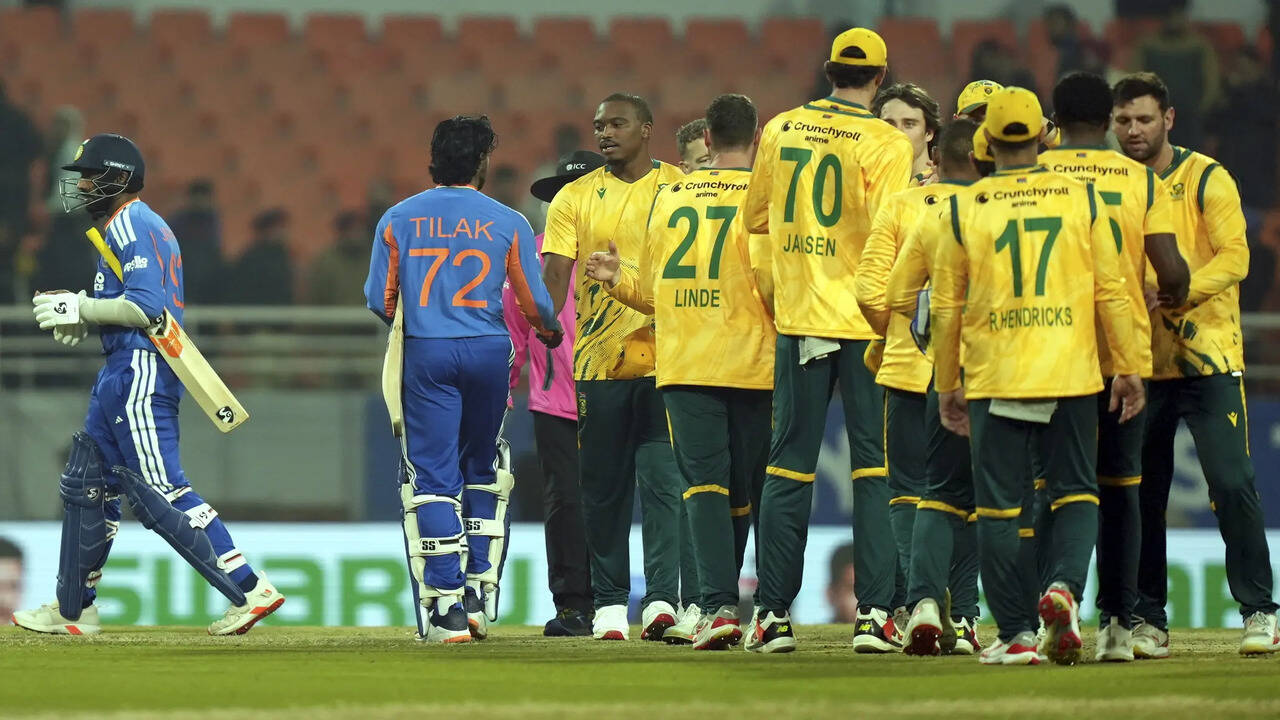
Example of a Match Scorecard
The following table illustrates the main information readers should look for when examining a match. It is a general format, not the official scorecard of a particular fixture.
|
Match detail |
Information to check |
|---|---|
|
Teams |
India vs South Africa |
|
Format |
Test, ODI, or T20I |
|
Venue |
Stadium and city |
|
Toss |
Team winning the toss and decision |
|
India innings |
Total runs, wickets, and overs |
|
South Africa innings |
Total runs, wickets, and overs |
|
Top batter |
Player with the most significant batting contribution |
|
Best bowler |
Bowler with the most influential figures |
|
Result |
Winning team and margin |
|
Player of the Match |
Outstanding individual performer |
This format makes it easier to compare performances across different matches. For an accurate report, the values must come from the particular fixture being discussed. Scores should never be mixed between a Test match, an ODI, and a T20I because the number of overs, innings structure, and scoring expectations differ considerably.
India Batting Performance Analysis
India’s batting performance is often a central part of any match report. The opening batters are responsible for establishing a stable foundation, judging the conditions, and taking advantage of scoring opportunities. A strong start can allow the middle order to play with greater freedom, while early wickets may force the remaining batters to rebuild the innings.
The middle order becomes particularly important when the opposition’s bowlers apply pressure. Batters must rotate the strike, find gaps, and avoid unnecessary risks. In limited-overs cricket, they also need to maintain a suitable scoring rate. A well-paced innings does not necessarily require every batter to score quickly; instead, each player should contribute according to the match situation.
Lower-order contributions can also change the outcome. A quick 20 or 30 runs near the end of an ODI or T20I innings may provide the extra margin needed to challenge the opposition. In Test cricket, lower-order partnerships can frustrate bowlers and help a team recover from a difficult position. When studying the scorecard, consider runs scored, balls faced, boundaries, dismissals, and partnerships together rather than judging players only by their individual totals.
South Africa Batting Performance Analysis
South Africa’s batting approach depends on the match format, pitch conditions, and the target or situation facing the team. The opening batters usually aim to manage the new ball, build confidence, and establish a platform for the middle order. Against India’s bowling attack, their ability to handle changes of pace, spin, and movement can be important in determining the direction of an innings.
The middle order often carries responsibility during challenging phases. Experienced batters may focus on rebuilding after early wickets, while attacking players look for scoring opportunities when the field spreads. In a successful chase, the required run rate, wickets remaining, and overs available all influence batting decisions. A team may need to accelerate early if the target is large, or preserve wickets before launching an attack later.
The scorecard also helps reveal whether South Africa’s runs came from a few outstanding individual performances or contributions throughout the lineup. A balanced batting display can be more resilient than an innings dependent on one player. Readers should also examine extras and the number of wickets lost, as these details can reveal how effectively the team controlled its innings.
Bowling Figures and Wicket-Taking Contributions
Bowling statistics provide another important layer of match analysis. The scorecard usually records overs, maidens where applicable, runs conceded, wickets taken, and economy rate. These figures help readers understand which bowlers controlled scoring and which ones created breakthroughs.
India may rely on a combination of fast bowlers and spinners, depending on the surface and conditions. South Africa can also use pace, bounce, movement, and spin to challenge the opposition. However, the effectiveness of a bowling attack should be judged in context. A bowler who concedes 35 runs in four T20I overs while taking two wickets may have made a valuable contribution, particularly if those wickets dismiss set batters.
Important bowling statistics include:
-
Wickets taken: Shows how often a bowler dismisses opposition batters.
-
Economy rate: Measures the average runs conceded per over.
-
Bowling average: Indicates runs conceded per wicket.
-
Strike rate: Shows the average number of balls bowled per wicket.
-
Maidens: Records overs in which no runs are conceded in the relevant format.
These figures should be interpreted together. A low economy rate may indicate excellent control, while a high wicket count can reflect an ability to break partnerships at crucial moments.
Key Moments That Can Decide the Match
The most meaningful parts of a match are not always reflected in the final score alone. An early wicket can change the batting team’s plans, while a large partnership may restore momentum. A dropped catch, run-out, disputed decision, or expensive over can also influence the outcome.
In T20 cricket, the powerplay and final overs often receive particular attention. Teams attempt to score quickly during the powerplay while protecting wickets, then accelerate again during the closing overs. The middle overs require a balance between attacking and maintaining control. In ODIs, the middle phase is especially important for building partnerships and preparing for a late scoring surge.
Test cricket involves a broader range of tactical decisions. Captains must consider field placements, bowling changes, declarations, batting time, and the condition of the pitch. A spell of disciplined bowling can create pressure even without immediate wickets.
To analyse key moments effectively, compare the score at the start and end of important partnerships, identify when wickets fell, and consider the remaining overs or innings. This approach explains how the match developed instead of simply repeating the final result.
Head-to-Head Rivalry Between India and South Africa
India and South Africa have developed a competitive international cricket rivalry across Tests, ODIs, and T20Is. Their encounters have featured different playing conditions, tactical challenges, and memorable individual performances. India often benefit from familiarity with spin-friendly conditions at home, while South Africa’s pace resources and experience in different environments can make them difficult opponents.
However, home advantage is not a guarantee of victory. Pitch preparation, weather, team selection, injuries, and current player form all influence a contest. South Africa can challenge India through disciplined bowling and effective batting partnerships, while India can respond through a balanced attack and strong performances from their top order.
Head-to-head records are most useful when separated by format. A team’s Test record may differ significantly from its ODI or T20I results. Readers should also distinguish men’s and women’s international matches, bilateral series, and ICC tournaments when comparing statistics. Doing so prevents misleading conclusions based on records that belong to different competitions.
How to Read a Cricket Scorecard Correctly
Understanding common abbreviations makes a scorecard easier to interpret. Batting tables generally include runs, balls faced, fours, sixes, and strike rate. Bowling tables display overs, maidens, runs, wickets, and economy rate. The fall-of-wickets section records the score and batter dismissed at each wicket, helping readers trace the innings.
Several additional details deserve attention. Extras include wides, no-balls, byes, and leg-byes, depending on the scorecard’s presentation. The innings total combines batter runs and extras. A batter marked not out remained unbeaten when the innings ended, while a dismissal description explains how the player lost their wicket.
For a complete match report, follow these steps:
-
Confirm the date, format, venue, and competition.
-
Check the toss and identify which team batted first.
-
Compare the innings totals and wickets lost.
-
Review the leading batters and their scoring rates.
-
Evaluate bowling figures and important partnerships.
-
Read the result and identify the decisive performances.
This process provides a clear, consistent way to assess the match and compare different fixtures.
Why Fans Search for Match Scorecards
Cricket fans look for scorecards to follow live matches, review completed games, compare players, and understand team performance. A detailed scorecard is also useful for journalists, fantasy cricket followers, analysts, and readers preparing match previews or post-match reports.
Searches for the India national cricket team vs South Africa national cricket team match scorecard may refer to a recent international fixture or a historical match. Therefore, identifying the exact fixture is essential before reporting numerical statistics. Readers should verify innings totals, player names, bowling figures, and the official result against a reliable scorecard to avoid incorrect information.
A useful match analysis goes beyond statistics by explaining their significance. For example, a high individual score may be less decisive if it comes during a slow innings, while a modest contribution can prove valuable in a close chase. Similarly, a bowler’s impact may be greater when their wickets arrive at critical stages rather than after the result is nearly settled.
Conclusion
The India national cricket team vs South Africa national cricket team match scorecard offers a structured way to understand batting performances, bowling contributions, partnerships, and the events that shape a match. By considering the format, innings totals, scoring rates, wickets, and match situation, readers can develop a clearer understanding of each team’s strengths and weaknesses.
India and South Africa remain compelling opponents because their contests combine individual skill with tactical decision-making. Whether following a Test, ODI, or T20I, fans can use scorecard statistics to evaluate performances and understand how the final result was achieved. The most accurate analysis always begins with the correct fixture and its official figures, followed by a careful interpretation of the numbers.