
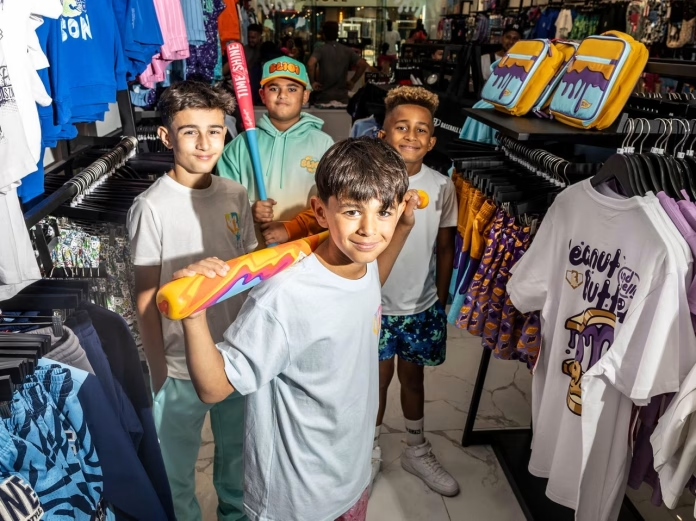
Baseball is more than a sport played on a diamond. It represents teamwork, tradition, personal style, discipline, and a strong sense of community. From players practicing their swings to fans wearing their favorite team jerseys, baseball influences many aspects of everyday life. The game has developed a recognizable culture that combines athletic performance, casual fashion, collectible merchandise, and memorable experiences at the ballpark.
Baseball lifestyle 101 introduces the different elements that make baseball appealing beyond the field. It explores how people incorporate the sport into their clothing choices, fitness routines, hobbies, friendships, and personal identities. Whether someone plays competitively, participates in a local recreational league, collects baseball cards, or simply enjoys watching professional games, there are many ways to embrace the culture. Understanding these traditions helps newcomers connect with the sport while giving experienced fans fresh ideas for enjoying baseball throughout the year.
Understanding Baseball Culture
Baseball culture has evolved over generations, creating traditions that connect players, families, and communities. The sport is associated with historic stadiums, legendary athletes, team rivalries, summer afternoons, and the excitement of close games. These experiences give baseball a distinctive identity that continues to attract people of different ages and backgrounds.
For many enthusiasts, baseball becomes part of their daily routine. They follow team news, discuss player performances, watch highlights, attend games, and share opinions with friends. Others enjoy the sport through coaching, volunteering, collecting memorabilia, or supporting young athletes. Baseball culture also encourages patience because the game involves strategy, concentration, and the ability to respond to changing situations. These qualities can influence how fans approach challenges outside sports. The appeal of baseball therefore extends beyond winning and losing, creating opportunities for connection, learning, entertainment, and lifelong participation.
Baseball Fashion and Everyday Style
Fashion is one of the most visible elements of baseball culture. Team jerseys, fitted caps, relaxed T-shirts, hoodies, athletic shorts, and comfortable sneakers have become familiar choices for fans. These items can be worn to games, during casual outings, or as part of everyday streetwear. Baseball-inspired clothing combines sporting heritage with modern fashion, allowing people to express their interests without wearing a complete uniform.
A practical approach to baseball fashion starts with choosing comfortable, versatile pieces. A team cap can complement jeans and a plain T-shirt, while a jersey can become the main feature of a casual outfit. During cooler weather, sweatshirts and lightweight jackets provide additional warmth. Color coordination can also help create a balanced look, particularly when team colors are bold. Personal style matters more than following every trend. The goal is to combine useful clothing with pieces that reflect an appreciation for the game.
Popular Baseball Clothing Essentials
- Baseball caps: Classic accessories that provide shade and represent favorite teams.
- Team jerseys: A recognizable way to display support for a club or player.
- Graphic T-shirts: Easy everyday options featuring baseball-inspired designs.
- Hoodies and sweatshirts: Comfortable layers for travel, practice, and cooler evenings.
- Sneakers: Versatile footwear suitable for casual outfits and everyday activities.
- Athletic shorts and joggers: Practical choices for training and relaxed weekends.
Building a Baseball-Inspired Wardrobe
Creating a baseball-inspired wardrobe does not require purchasing expensive merchandise. A few carefully selected items can provide enough variety for different occasions. Start with neutral basics, such as black, white, gray, or navy T-shirts, and add a cap or jersey in a favorite team’s colors. This approach makes it easier to combine clothing without creating outfits that look overly coordinated.
Quality and comfort should guide purchasing decisions. Consider fabric durability, fit, stitching, and how frequently an item will be worn. Official merchandise may appeal to dedicated supporters, while generic baseball-inspired designs can offer more affordable alternatives. Secondhand stores can also provide vintage-style jackets, older jerseys, and distinctive accessories. When choosing baseball clothing, authenticity and personal preference are important. A wardrobe should reflect individual taste rather than simply copying an athlete or social media trend. Thoughtful choices make baseball fashion more affordable, practical, and sustainable over time.
Fitness and Training Habits
An active baseball lifestyle often includes regular exercise, skill development, and attention to physical recovery. Players need different combinations of strength, speed, balance, coordination, and endurance depending on their positions. Pitchers, catchers, infielders, and outfielders may emphasize different movements, but all benefit from sound fundamentals and appropriate conditioning.
Beginners can establish a manageable fitness routine by combining walking or running, mobility exercises, bodyweight strength training, and baseball-specific drills. Throwing, catching, batting practice, and fielding exercises help develop skills through repetition. Warm-ups prepare the body for activity, while rest days allow recovery. Hydration, adequate sleep, and balanced meals also support physical performance. Training should match an individual’s age, experience, and fitness level. Younger athletes especially benefit from qualified coaching and age-appropriate workloads. Consistency is generally more useful than attempting intense sessions without preparation. A sustainable routine can make participation more enjoyable while helping athletes develop confidence and better movement patterns.
Baseball Equipment Every Player Should Know
The right equipment helps players practice safely and perform essential baseball skills. Requirements vary by league, age group, position, and competition rules, so beginners should confirm what their coach or organization recommends before making significant purchases.
| Equipment | Main purpose | Beginner tip |
|---|---|---|
| Baseball glove | Catching and fielding | Choose a suitable size and position-specific design |
| Baseball bat | Hitting the ball | Check league regulations and recommended length |
| Batting helmet | Protecting the head while batting | Use an approved helmet that fits properly |
| Baseballs | Throwing, catching, and hitting practice | Select balls appropriate for the player’s age and activity |
| Cleats | Providing traction on the field | Choose footwear permitted by the playing surface and league |
| Athletic supporter and protective cup, where appropriate | Providing additional protection | Follow age, position, and league guidance |
| Water bottle | Supporting hydration | Bring enough water for the session |
Equipment should fit properly and remain in good condition. Gloves may require a break-in period, while bats should be checked for damage before use. Helmets should never be used if they are cracked or otherwise compromised. Parents and players can also ask coaches about shared equipment or secondhand options when starting out. Spending carefully on essential items helps beginners participate comfortably without buying unnecessary accessories.
Food, Hydration, and Recovery
Nutrition supports an active lifestyle, whether someone plays baseball regularly or spends long afternoons watching games. Balanced meals that include carbohydrates, protein, healthy fats, fruits, and vegetables help provide energy and support recovery. Individual requirements depend on age, activity level, health, and training demands, so there is no single meal plan that suits every baseball enthusiast.
Hydration deserves particular attention during outdoor practices and hot-weather games. Drinking water before, during, and after activity helps replace fluid losses. For long sessions or demanding exercise in hot conditions, athletes may need additional guidance about electrolytes and fluid replacement. Recovery also involves sleep, rest, and recognizing signs of fatigue. Ballpark snacks can be part of the experience, but everyday eating habits benefit from variety and moderation. A practical baseball lifestyle balances enjoyment with routines that help people feel prepared for their activities.
The Role of Baseball Fans and Community
Baseball fandom provides opportunities to build relationships and participate in shared traditions. Fans gather at stadiums, organize viewing parties, join online discussions, and support local teams. These activities bring people together through a common interest, even when they support rival clubs.
Community involvement can extend beyond watching games. Families may attend youth tournaments, volunteer at local fields, help with equipment drives, or support fundraising events for school teams. Experienced players can share basic skills with newcomers, while coaches can encourage teamwork and respectful competition. Supporting a team does not mean ignoring the contributions of opponents. Appreciating good plays, learning the rules, and respecting officials help create a positive sporting environment. These values make baseball welcoming to people who are new to the game. Community participation also gives younger players examples of sportsmanship, cooperation, and responsibility that can be valuable in everyday life.
Baseball Collectibles and Memorabilia
Collecting is another popular way to connect with baseball history. Trading cards, signed baseballs, jerseys, caps, photographs, and stadium souvenirs allow fans to preserve memories of teams, players, and important moments. Some collectors focus on current athletes, while others prefer vintage items or memorabilia connected to historic seasons.
A successful collection begins with a clear purpose. Someone might collect cards from one team, look for rookie cards, or save an inexpensive souvenir from every game attended. Collectors should consider authenticity, condition, storage, and budget. Protective sleeves and suitable storage boxes can help preserve cards, while signed items may require careful handling and documentation. Not every collectible increases in value, and resale prices can change considerably. Collecting is most rewarding when it reflects personal interest rather than expectations of profit. Keeping records of purchases and avoiding impulsive spending can make the hobby more enjoyable and manageable.
Baseball Lifestyle 101 for Beginners
People who are new to baseball do not need extensive knowledge or expensive equipment to get involved. The easiest starting point is to identify the parts of the sport that seem most interesting. Some people enjoy learning the rules, others prefer the fashion, and many are attracted by the competition and team atmosphere.
A beginner can start by watching a local game, learning the basic positions, or playing catch with friends. Following one team makes it easier to understand schedules, player roles, and season developments. Trying a recreational league or attending a community practice can also provide practical experience. Those interested in style can begin with one comfortable cap or T-shirt rather than purchasing an entire collection. The important thing is to enjoy the process. Baseball has many entry points, and newcomers can explore different aspects at their own pace without feeling pressured to know every statistic or tradition.
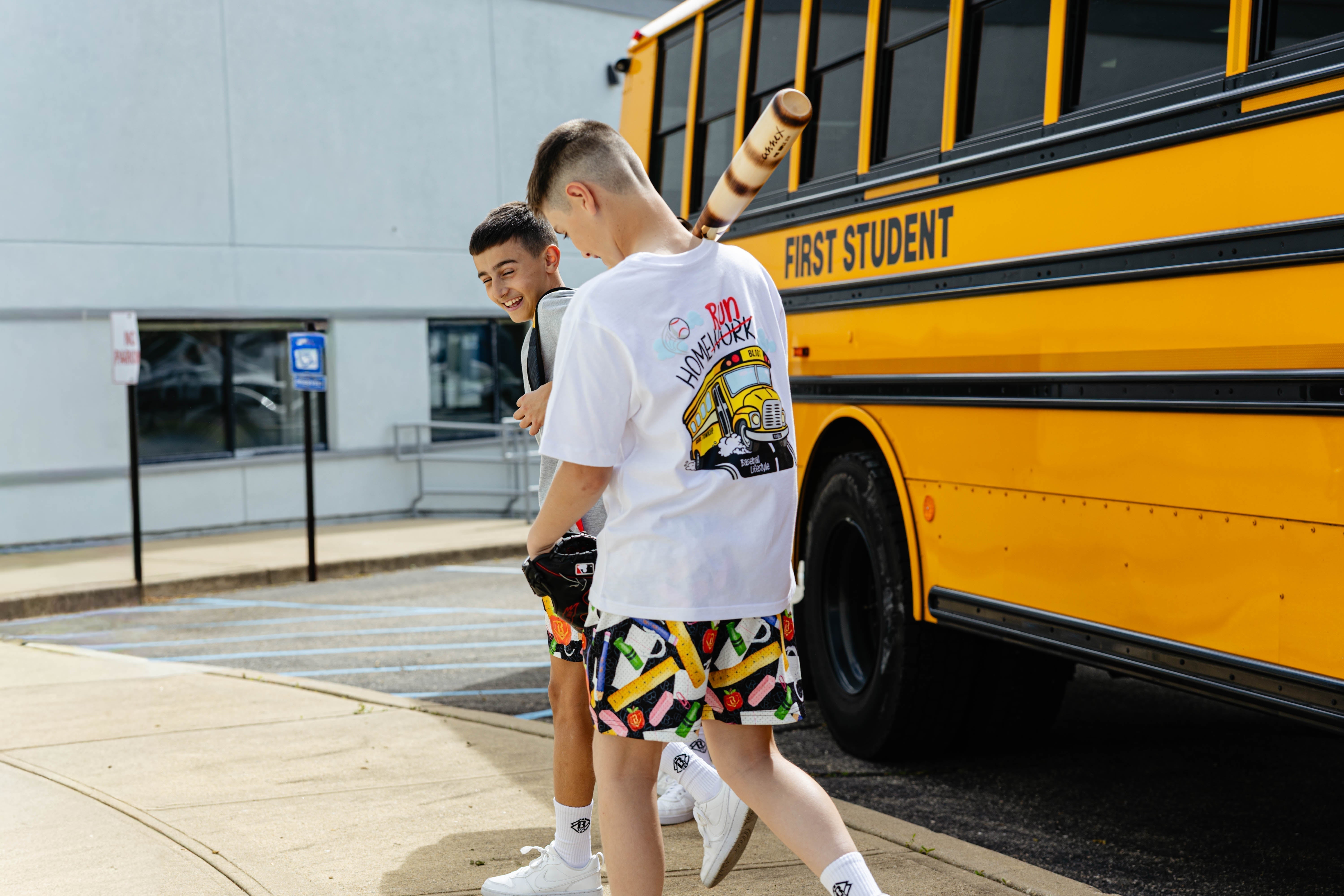
Digital Media and Modern Baseball Entertainment
Technology has changed how fans experience baseball. Live broadcasts, score-tracking applications, podcasts, video highlights, online communities, and fantasy baseball platforms allow supporters to follow the sport from almost anywhere. Digital media can help beginners learn terminology, understand tactics, and stay informed about teams and players.
Social platforms also influence baseball fashion, training discussions, and fan culture. Athletes may share practice routines, behind-the-scenes moments, and personal interests, giving supporters a broader view of the sport. However, online information should be evaluated carefully. Training advice that works for a professional athlete may not suit a beginner, and performance claims may lack useful context. Fans should also balance screen time with outdoor activity and face-to-face experiences. Digital tools are most valuable when they enhance the enjoyment of baseball rather than replacing every opportunity to play, attend games, or connect with the local community.
Baseball Lifestyle 101: Daily Habits That Make a Difference
Embracing baseball culture can be as simple as building small habits into an ordinary week. A player might practice throwing for a short period, complete a mobility routine, or review a particular batting technique. A fan might read a game recap, watch selected highlights, or organize a collection. These activities do not need to take hours to become meaningful.
The key is consistency. Setting realistic goals helps people stay engaged without turning a hobby into an obligation. Someone learning to play can focus on improving one skill at a time, while a collector can establish a monthly spending limit. Fans can schedule game nights with friends or attend local matches when possible. It is also important to leave room for other interests, responsibilities, and rest. Baseball should contribute positively to everyday life. When activities remain enjoyable and manageable, the sport can become a lasting source of motivation, entertainment, and social connection.
Comparing Different Ways to Enjoy Baseball
There is no single way to embrace baseball culture. People can choose activities based on their interests, available time, budget, and access to local facilities.
| Baseball activity | Best suited for | Typical starting requirement |
|---|---|---|
| Playing recreational baseball | Active participants | Basic equipment and a suitable team or field |
| Watching professional games | Fans and beginners | Access to broadcasts or stadium tickets |
| Baseball-inspired fashion | Style enthusiasts | A few comfortable clothing items |
| Collecting cards | Hobbyists and history fans | A modest budget and storage supplies |
| Fitness and skill practice | Players developing technique | Space, suitable equipment, and a routine |
| Community volunteering | Supporters and families | Time and interest in local sports |
| Following baseball statistics | Analytical fans | Access to game information and score reports |
These activities can complement one another. A person might play on weekends, follow professional games during the week, and wear baseball-inspired clothing throughout the year. Others may enjoy the culture without playing at all. The best combination is the one that fits comfortably into an individual’s lifestyle.
Keeping Baseball Enjoyable and Sustainable
A lasting interest in baseball depends on maintaining a healthy balance between enthusiasm, time, and spending. Fans may feel tempted to buy every new jersey, attend every game, or collect expensive memorabilia. Players may feel pressure to train constantly or compare their progress with more experienced athletes. Establishing reasonable boundaries can help prevent these interests from becoming stressful.
Choose activities that offer genuine enjoyment and make room for rest, family, work, education, and other hobbies. When playing, prioritize safety, good coaching, and appropriate equipment. When shopping, compare prices and distinguish essential purchases from optional extras. When following teams, remember that losing games and experiencing disappointing performances are normal parts of sports. Baseball can teach patience, adaptability, and teamwork, but it should also remain entertaining. A thoughtful approach allows fans and players to enjoy the sport over the long term without sacrificing their well-being or financial priorities.
Conclusion
Baseball offers far more than competition on the field. Its culture includes fashion, fitness, equipment, nutrition, collecting, digital entertainment, and community participation. Each element gives people another way to connect with the sport, whether they are dedicated athletes, casual supporters, or complete beginners.
Baseball lifestyle 101 provides a foundation for exploring these different interests while keeping enjoyment, safety, and personal preferences at the center. Start with one activity, develop useful habits, and gradually discover the traditions and experiences that appeal most to you. There is no requirement to own expensive merchandise or understand every statistic to belong in baseball culture. With a balanced approach, baseball can become a rewarding part of everyday life, encouraging physical activity, lasting friendships, personal expression, and an appreciation for the game’s rich traditions.