
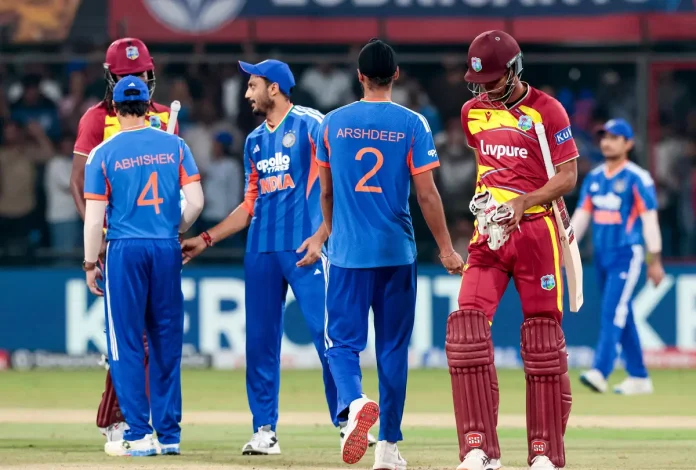
India and West Indies share one of the most fascinating rivalries in international cricket. Their encounters have produced unforgettable performances, legendary players, dramatic finishes and important moments across Test matches, One Day Internationals (ODIs) and Twenty20 Internationals (T20Is). India is known for its technically skilled batters, varied bowling attack and strong cricketing infrastructure, while the West Indies have traditionally been celebrated for their explosive batting, powerful fast bowlers and entertaining style of play.
The India vs West Indies rivalry has changed significantly over the decades. West Indies dominated much of the early international competition between the sides, particularly during their golden era of fast bowling and powerful batting. India gradually developed into a formidable opponent, producing world-class players and building successful teams across formats. Today, their matches offer an interesting combination of tradition, tactical adjustments and individual brilliance. Whether played in India or the Caribbean, these contests continue to attract fans interested in cricket history, emerging talent and the contrasting strengths of two proud cricketing nations.
History of India and West Indies Cricket
West Indies established themselves as one of cricket’s strongest teams during the second half of the twentieth century. Their success was built on outstanding pace bowling, aggressive batting and a deep pool of talented players from across the Caribbean. During this period, India often faced the challenge of competing against a side that could dominate both with the bat and the ball.
India’s development into a major cricketing power took place over several decades. The emergence of exceptional batters, technically sound all-rounders and increasingly effective bowling attacks helped the team compete more consistently against leading international sides. India’s landmark victories and improved performances gradually transformed the balance of this rivalry.
As cricket evolved, the two teams experienced different periods of success. West Indies remained particularly influential in limited-overs cricket, including the early editions of the Cricket World Cup, while India developed remarkable depth in batting and later strengthened its pace-bowling resources. Their meetings became more competitive as formats diversified and players adapted to new strategies. This historical progression gives the rivalry its lasting appeal, with every generation contributing new records, memorable matches and fresh storylines.
Head-to-Head Rivalry Across Formats
Comparing India and West Indies requires examining each international format separately. Test cricket rewards patience, discipline and sustained performance over several days. ODIs require teams to balance innings construction with controlled aggression, while T20Is emphasize quick scoring, tactical flexibility and the ability to perform under pressure.
India has enjoyed considerable success in modern bilateral cricket, particularly in several ODI and T20I contests. West Indies, however, remain a dangerous opponent in shorter formats because of their tradition of power-hitting and the ability of individual players to change a match rapidly. Test cricket also preserves the historical importance of the rivalry, with contrasting conditions in India and the Caribbean creating different challenges.
The exact head-to-head figures depend on the format, the date of the match and whether a statistic counts only completed international games or includes tied and abandoned matches separately. Readers should therefore compare records using a consistent cutoff date rather than combining numbers from different periods.
Head-to-Head Comparison Table
| Category | India | West Indies |
|---|---|---|
| Cricketing identity | Technical batting and tactical depth | Power-hitting and athletic flair |
| Test match strengths | Spin, batting depth and adaptability | Fast-bowling tradition and resilience |
| ODI approach | Building partnerships and managing innings | Aggressive batting and attacking bowling |
| T20I approach | Flexible batting and varied bowling options | Explosive hitting and specialist T20 skills |
| Historical significance | Multiple generations of international stars | Dominance during cricket’s early global eras |
| Key challenge | Handling pace and aggressive power-hitting | Countering India’s depth and tactical discipline |
The table highlights broad cricketing characteristics rather than fixed rules. Both teams have changed their playing styles over time, and individual match conditions can be more important than historical reputations.
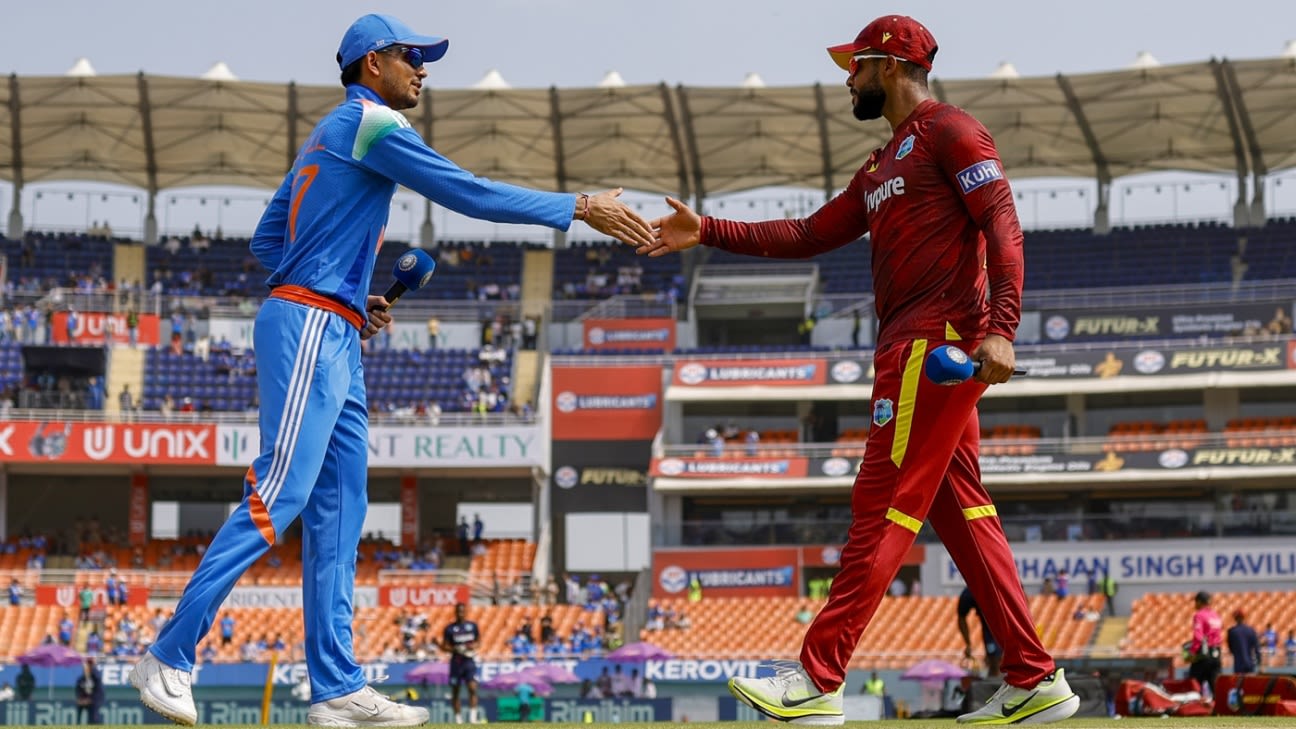
Test Cricket: Patience, Skill and Endurance
Test cricket has played a central role in shaping the India–West Indies rivalry. In this format, players must demonstrate concentration, technical ability and the physical endurance needed to compete over five days. India’s traditional strengths include high-quality spin bowling, determined batting and an ability to build pressure through sustained spells. West Indies have historically relied on fast bowling, disciplined fielding and batters capable of counterattacking when the opposition gains control.
Conditions often influence the balance between the teams. Indian pitches can provide opportunities for spinners as matches progress, although the degree of assistance varies from venue to venue. Caribbean grounds offer different combinations of bounce, pace and weather conditions, requiring visiting batters and bowlers to adapt quickly.
A successful Test performance depends on more than individual statistics. Teams need partnerships, effective use of the new ball, patience against spin and the ability to maintain pressure across sessions. A strong first innings can shape the entire contest, while lower-order contributions may determine whether a team secures a draw or pushes for victory. These tactical details make Test encounters between India and West Indies particularly rewarding for fans who appreciate traditional cricket.
ODI Cricket: Strategy and Match Control
One Day International cricket brings a different dimension to this rivalry. Teams have limited overs to build an innings, establish partnerships and accelerate toward a competitive total. Bowling sides must balance wicket-taking opportunities with run control, making captaincy and field placements especially important.
India has often relied on a stable batting order, strong middle-order contributions and a mix of pace and spin to manage ODI contests. The team can build an innings carefully before increasing the scoring rate during the later overs. West Indies traditionally bring an attacking mindset, with powerful batters capable of changing the momentum through boundaries and sixes.
However, aggressive batting alone does not guarantee success. Successful ODI teams need to preserve wickets, assess pitch conditions and identify the most favorable periods to attack. Bowlers must also adapt their lengths and variations as the ball ages and the innings develops.
In an India vs West Indies ODI, the powerplay can establish the early direction of the contest, while the middle overs often determine whether the batting team can maintain momentum. The final overs may then turn on death bowling, running between the wickets and the ability to execute plans under pressure. These different phases make ODI cricket a tactical contest as well as a test of individual skill.
T20 International Cricket: Power and Precision
T20I cricket places a premium on rapid decision-making. Batters must score quickly without losing too many wickets, while bowlers need a wide range of skills to limit scoring on batting-friendly pitches. Both India and West Indies have produced players who can influence a match within a few overs.
West Indies have a particularly strong reputation in franchise and international T20 cricket, supported by a tradition of powerful hitters and players experienced in different leagues around the world. Their approach can involve attacking from the beginning, using innovative shots and targeting specific bowling matchups. India combines aggressive batting with an increasingly broad selection of pace, spin and all-round options.
In this format, momentum can shift dramatically. A team that appears comfortable may lose several wickets in quick succession, while a late burst of boundaries can transform an achievable target into a difficult chase. Captains must make quick decisions about bowling changes, field settings and matchups.
The most important factors usually include powerplay performance, wickets in hand, control during the middle overs and execution at the death. Fielding also matters because a dropped catch or missed run-out opportunity can have a disproportionate effect on a short match. Fans enjoy these encounters because individual performances can change the result in a very short period.
Legendary Players Who Shaped the Rivalry
Several generations of players have contributed to the history of India and West Indies cricket. Their performances have influenced not only the rivalry itself but also the wider development of international cricket.
For India, Sunil Gavaskar became renowned for his concentration and technical excellence against fast bowling. Kapil Dev combined seam bowling with powerful batting and leadership, while Sachin Tendulkar built an extraordinary international career through consistency and adaptability. Later, Virat Kohli became known for his run-chasing ability, intensity and remarkable consistency across formats.
West Indies have produced equally influential figures. Sir Vivian Richards was celebrated for his commanding batting and aggressive presence at the crease. Clive Lloyd led one of the most successful teams in cricket history, while Malcolm Marshall and other outstanding fast bowlers helped establish the region’s reputation for pace. Brian Lara became famous for his exceptional stroke play and major individual scores.
Modern cricket has introduced new generations of Indian and Caribbean stars, including players whose strengths suit the demands of shorter formats. Their contributions demonstrate that the rivalry is not limited to historical achievements. Each generation brings different techniques, training methods and tactical approaches, allowing the teams to remain relevant in a rapidly evolving sport.
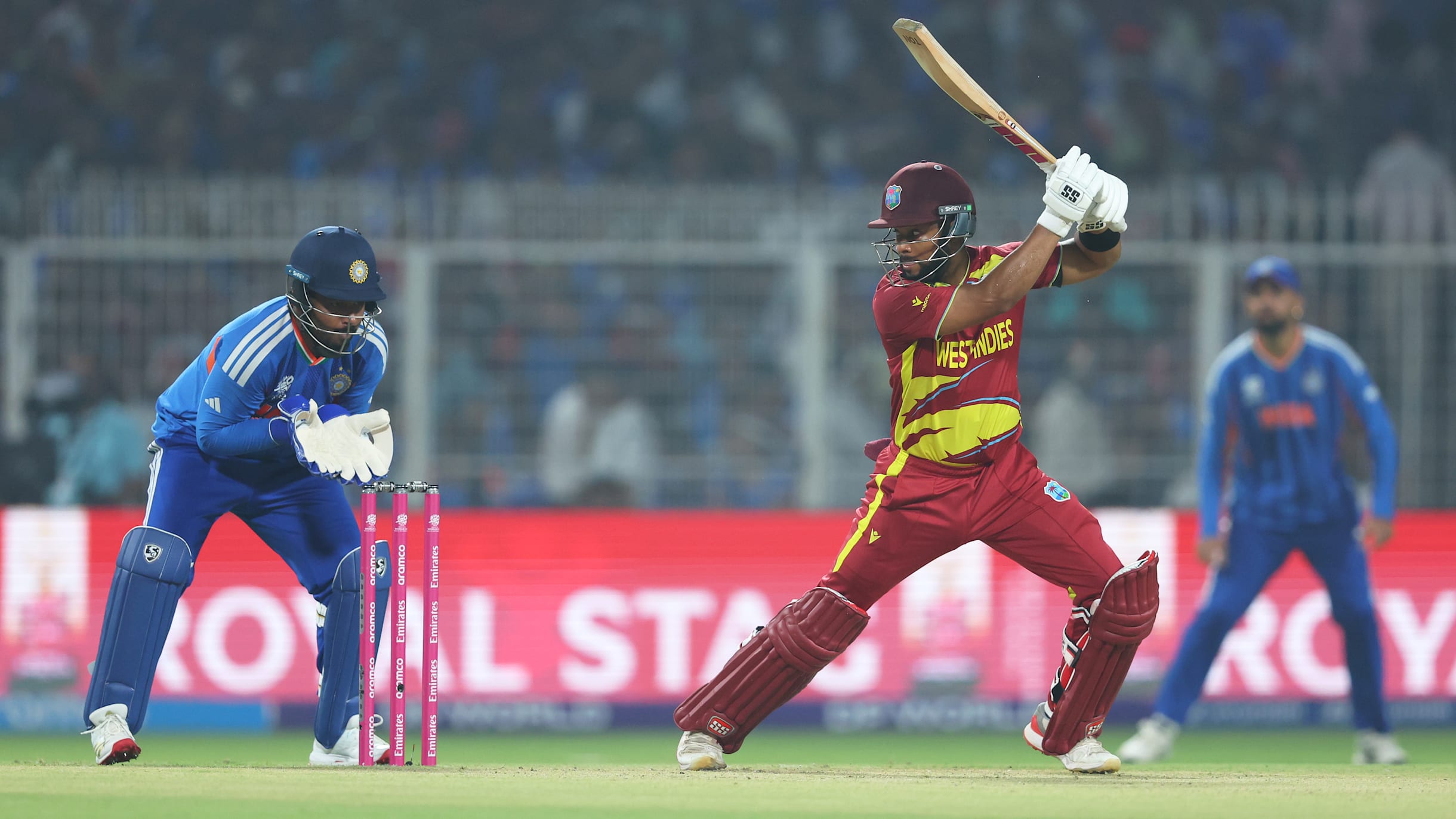
Key Factors That Influence Match Results
Several elements regularly determine the outcome when India and West Indies meet. Although star players attract attention, the result often depends on how well each team handles conditions and executes its game plan.
Important factors include:
- Pitch conditions: Surface pace, bounce and turn influence team selection and batting strategy.
- Opening partnerships: A solid start creates a foundation for larger totals or successful chases.
- Bowling discipline: Consistent lines and lengths help restrict scoring and create wicket-taking opportunities.
- Middle-order stability: Teams need batters who can recover from early setbacks and accelerate when required.
- All-round contributions: Players who contribute with both bat and ball provide valuable flexibility.
- Fielding standards: Catches, run-outs and boundary prevention can decide close contests.
- Captaincy: Bowling changes, matchups and field placements can influence momentum.
Teams must also account for weather, travel, player availability and the demands of a busy international calendar. A side that adapts more quickly to the conditions usually gains an important advantage.
Why India vs West Indies Remains Popular
The rivalry remains attractive because the teams offer different but complementary cricketing identities. India’s large supporter base, strong batting tradition and growing range of bowling options create significant interest in international fixtures. West Indies bring a distinctive cricketing culture associated with flair, fast bowling, entertaining stroke play and the ability to produce match-winning performances.
The two sides also represent different cricketing environments. India benefits from a vast domestic structure and an extensive talent pool, while West Indies draws on a diverse group of Caribbean nations with a rich shared cricketing heritage. These backgrounds shape their approaches to player development, team selection and competition.
For spectators, the appeal extends beyond winning and losing. Historical memories, individual rivalries and emerging prospects all add interest to each series. Younger players gain opportunities to establish themselves, while experienced internationals seek to strengthen their records and help their teams succeed.
The contest is also useful for understanding how cricket evolves. Changes in batting techniques, bowling variations, fitness standards and data-led strategy can be observed across formats. The continuing interaction between traditional skills and modern tactics ensures that meetings between the sides offer something for both casual viewers and dedicated cricket analysts.
How to Analyse an Upcoming Match
Fans looking ahead to a future fixture should begin with the format, venue and conditions. A Test match requires a different evaluation from a T20I, and the same player may have a very different role depending on the format. Reviewing recent performances is helpful, but a few strong or weak results should not automatically determine expectations.
A practical match-analysis checklist includes:
- Review the confirmed squads and likely playing combinations.
- Consider recent form across comparable conditions and formats.
- Assess the pitch, weather forecast and possible impact of dew.
- Compare the strengths of the top order and middle order.
- Examine bowling options for the powerplay, middle overs and final overs.
- Evaluate the balance between specialist bowlers and all-rounders.
- Consider toss conditions and whether batting first or chasing may be advantageous.
These steps help create a balanced assessment without relying entirely on reputation or historical results. They also make it easier to explain why a team may have an advantage on a particular day.
Conclusion
The India–West Indies cricket rivalry reflects the changing history of international cricket. From the Caribbean team’s dominant periods to India’s rise as a consistent force across formats, their encounters have featured exceptional players, contrasting strategies and memorable sporting moments. Test matches reward patience and endurance, ODIs demand careful control of innings, and T20Is emphasize power, precision and rapid decisions.
The enduring appeal of India vs West Indies comes from the uncertainty of competition and the different strengths each team brings to the field. Historical records provide useful context, but current form, playing conditions, team selection and individual performances remain essential when assessing any match. As new players emerge and tactics continue to evolve, this rivalry will keep offering cricket fans fresh stories and exciting contests.