
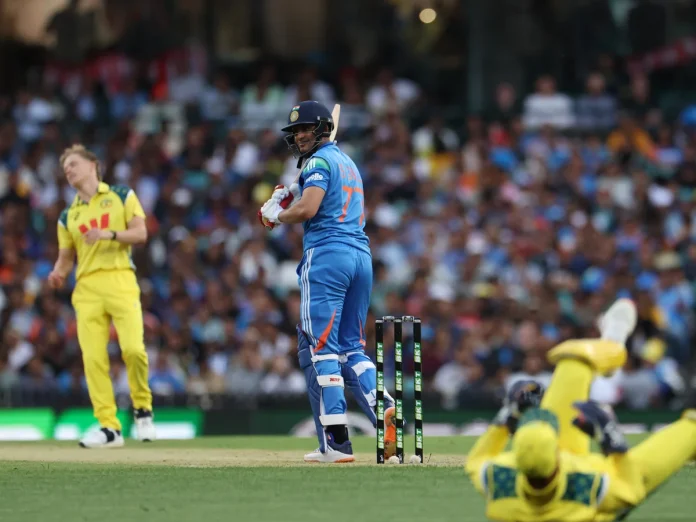
The rivalry between the Australian men’s cricket team and the India national cricket team is one of the most exciting contests in international cricket. Both teams have produced memorable performances across Test matches, One Day Internationals (ODIs), and Twenty20 Internationals (T20Is). Their encounters are known for competitive batting, disciplined bowling, tactical captaincy, and dramatic changes in momentum. For cricket fans, a scorecard provides a detailed record of how a match unfolded, from individual batting contributions to bowling figures and the final result.
The Australian men’s cricket team vs India national cricket team match scorecard is especially useful for supporters who want to understand the details behind a result rather than simply knowing which team won. It helps readers compare runs scored, wickets lost, overs faced, partnerships, extras, and bowling performances. However, Australia and India have played many matches in different formats, so the exact scorecard depends on the fixture being discussed. Understanding how to read these records makes it easier to analyse performances and appreciate the tactical decisions that shape this historic rivalry.
Understanding the Australia vs India Cricket Rivalry
Australia and India have developed a strong international cricket rivalry through decades of competition. Australian teams have traditionally been recognised for their aggressive approach, pace bowling, athletic fielding, and ability to maintain pressure. India have built their reputation through technically skilled batters, versatile bowling attacks, talented spinners, and strong performances in different playing conditions.
Matches between these teams often attract significant attention because both sides have the resources and experience to compete at the highest level. In Australia, Indian players face challenges such as extra bounce, pace, and large grounds. In India, Australian players frequently encounter slower pitches, spin-friendly conditions, and demanding tactical situations. These differences make every series a test of preparation and adaptability.
When reviewing the Australian men’s cricket team vs India national cricket team match scorecard, fans should consider the venue, format, pitch conditions, and match situation. A total that looks competitive in a low-scoring Test match may be insufficient in a high-scoring ODI. Similarly, a small difference in runs can become decisive in T20 cricket, where teams have fewer overs to recover from setbacks.
How to Read the Match Scorecard
A cricket scorecard presents the statistical details needed to understand the progress and outcome of a match. Although the layout can vary between formats and broadcasters, most scorecards include the innings total, wickets lost, overs completed, batting figures, bowling figures, extras, and fall of wickets.
The batting section usually lists each player’s runs, balls faced, boundaries, sixes, and strike rate. These figures help explain whether a batter built an innings patiently or scored quickly to increase the team’s total. The bowling section records overs, maidens, runs conceded, wickets taken, and economy rate. Together, these statistics reveal which players made the greatest contributions.
A typical scorecard may contain the following information:
- Runs and wickets: The total runs scored and the number of batters dismissed.
- Overs: The number of overs completed by the batting side.
- Batting figures: Runs, balls faced, fours, sixes, and strike rate.
- Bowling figures: Overs bowled, runs conceded, wickets, and economy rate.
- Extras: Runs awarded through wides, no-balls, byes, and leg-byes.
- Fall of wickets: The score and over at which each wicket fell.
- Result: The winning team, margin of victory, or whether the match ended in a draw or tie.
These details provide a clearer picture of the contest and help readers identify the moments that influenced the result.
Sample Australia vs India Match Scorecard Table
The following table illustrates a hypothetical ODI scorecard format to show how match statistics can be presented. These figures are examples only and do not represent an actual Australia vs India match.
| Match Details | Australia | India |
|---|---|---|
| Total Runs | 278 | 281 |
| Wickets Lost | 8 | 6 |
| Overs Played | 50.0 | 48.3 |
| Top Scorer | 82 runs | 96 runs |
| Best Bowling Figures | 3 wickets | 3 wickets |
| Match Result | Lost | Won by 4 wickets |
This sample demonstrates how the final scorecard allows readers to compare both teams. India reached the hypothetical target with wickets remaining, while Australia’s total provided a competitive challenge. In a real match, the individual scorecard would also list every batter, each bowler’s figures, extras, partnerships, and the exact result.
Batting Performance and Key Players
Batting performances are among the most closely examined elements of an Australia versus India match. A top-order batter who provides a solid start can give the middle order the freedom to play aggressively. On the other hand, early wickets may force a team to rebuild its innings and reconsider its scoring strategy.
India have featured accomplished batters such as Sachin Tendulkar, Virat Kohli, Rohit Sharma, and Rahul Dravid across different periods of the rivalry. Australia have also produced outstanding players, including Ricky Ponting, Michael Clarke, Steve Smith, and David Warner. Their performances have contributed to the rivalry’s rich history, although the players appearing in any particular match depend on the date and team selection.
When analysing the Australian men’s cricket team vs India national cricket team match scorecard, it is important to look beyond the highest individual score. A batter scoring 40 runs from 25 balls may have a significant impact in a T20 match, while an innings of 80 runs from 180 balls could be extremely valuable in a difficult Test match. Strike rate, balls faced, partnerships, and the match situation all help determine the importance of an innings.
Bowling Performance and Match Turning Points
Bowling often determines whether a team can defend its total or restrict the opposition to a manageable score. Australia’s pace bowlers have historically used bounce, movement, and disciplined lines to challenge Indian batters. India’s bowling attacks have combined pace with spin, creating different challenges depending on the conditions.
A scorecard helps readers identify the bowlers who took important wickets and those who controlled the scoring rate. Wicket-taking ability matters, but economy rate is also valuable, particularly in limited-overs cricket. A bowler who concedes few runs during the middle overs can create pressure that leads to mistakes at the other end.
Important turning points may include an early breakthrough, a partnership that changes the direction of an innings, a spell of consecutive wickets, or a successful chase under pressure. The fall-of-wickets section can help identify when a team lost momentum. Examining these moments alongside the bowling figures provides a more complete explanation of the final result.
Differences Between Test, ODI, and T20 Scorecards
Australia and India compete in three major international formats, and each requires a different approach to scorecard analysis.
| Format | Main Focus | Important Statistics |
|---|---|---|
| Test cricket | Long innings and sustained performance | Batting time, wickets, partnerships, bowling spells |
| ODI cricket | Balancing scoring and wicket preservation | Run rate, boundaries, middle-over scoring |
| T20 International | Fast scoring in limited overs | Strike rate, sixes, economy rate, death-over wickets |
Test cricket can extend across five days, with each team potentially batting twice. Therefore, the scorecard may include four innings and a result based on runs, wickets, or a draw. Individual centuries, five-wicket bowling hauls, and partnerships often play important roles in determining the outcome.
ODIs generally consist of 50 overs per team. Batters must balance steady scoring with acceleration, while bowlers try to limit boundaries and take wickets at crucial stages. In T20Is, each side normally receives 20 overs, making rapid scoring and efficient bowling particularly important. A successful analysis should always consider the format before judging whether a performance was outstanding.
What Makes the Australia vs India Scorecard Valuable?
A detailed scorecard benefits casual viewers, dedicated cricket followers, sports writers, and analysts. It transforms the result into measurable information that can be compared with performances from other matches and series.
For example, fans can use the scorecard to identify the leading run-scorer, compare bowling efficiency, review a successful chase, or understand why a team lost despite scoring a substantial total. Coaches and analysts may also examine scoring patterns, wicket-taking phases, and the effectiveness of different bowling combinations.
The scorecard can also provide historical context. Comparing performances across different venues and formats highlights how teams adapt to unfamiliar conditions. However, statistics should be interpreted carefully because pitch quality, weather, opposition strength, and match circumstances can influence the numbers.
How to Find the Correct Match Scorecard
Since Australia and India have played numerous international fixtures, readers should identify the exact match before looking for detailed statistics. The date, venue, format, and tournament are useful starting points.
Follow these steps to identify the correct scorecard:
- Confirm whether the fixture was a Test, ODI, or T20 International.
- Identify the match date, series, or tournament.
- Check the venue and the teams’ playing elevens.
- Review each innings, including batting and bowling figures.
- Verify the final result, victory margin, and any official match awards.
These steps reduce the chance of confusing statistics from different games. They are particularly useful when two teams meet several times during the same tour or tournament.
Conclusion
The Australia versus India cricket rivalry continues to interest fans because it combines outstanding individual performances, tactical battles, and memorable team achievements. A well-presented scorecard helps readers understand the numbers behind each contest, from top-order partnerships to decisive bowling spells and the final result.
The Australian men’s cricket team vs India national cricket team match scorecard should always be read in the context of the specific fixture, playing format, venue, and match conditions. By examining batting statistics, bowling figures, extras, fall of wickets, and the final result together, fans can develop a more complete understanding of how the match unfolded. For accurate reporting, the actual match date and official innings figures should be confirmed before publishing a scorecard as factual information.