
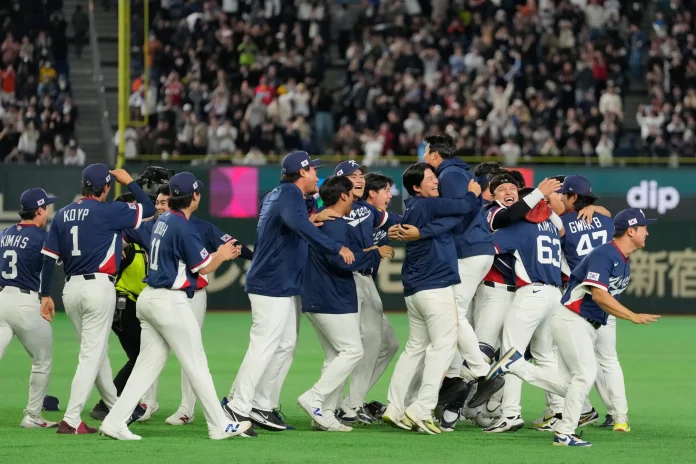
Introduction to the World Baseball Classic
The World Baseball Classic is one of the most important international tournaments in professional baseball, bringing together talented players who represent their countries and regions. Unlike Major League Baseball (MLB), where players compete for professional clubs, this competition allows athletes to wear their national uniforms and compete for international glory. The tournament features teams from different parts of the world, including the United States, Japan, the Dominican Republic, Puerto Rico, Mexico, South Korea, and several other baseball-playing nations.
Since its introduction in 2006, the competition has helped increase baseball’s international visibility and encouraged fans to follow teams beyond their domestic leagues. It combines elite athletic performance, national pride, passionate supporters, and exciting matchups between players who may usually compete against one another in professional baseball. For established baseball fans and newcomers alike, the tournament provides an opportunity to understand how the sport connects different cultures and communities.
What Is the World Baseball Classic?
The World Baseball Classic is an international baseball tournament organized by World Baseball Classic, Inc., with participation from professional baseball organizations and national baseball federations. It was created to establish a major international competition in which leading professional players could represent their countries. Its structure allows countries with strong baseball traditions to compete while giving developing baseball nations an opportunity to demonstrate their progress.
One of the tournament’s defining characteristics is its combination of national representation and professional talent. Players from MLB and other professional leagues may participate when eligible and available, subject to roster rules and insurance requirements. This creates highly competitive lineups featuring experienced hitters, skilled pitchers, and outstanding defensive players.
The event is also important because it provides a different sporting experience from a regular professional season. Every game can carry significant national importance, particularly during elimination rounds. A single home run, pitching performance, or defensive play can become a memorable moment for an entire country. These dramatic contests have helped the tournament establish a distinctive place in the international sporting calendar.
History and Development of the Tournament
The first edition took place in 2006, establishing a new international platform for professional baseball. Japan won the inaugural championship, defeating Cuba in the final. Japan successfully defended its title in 2009, demonstrating the strength of its baseball development system and the quality of its national team.
The tournament continued to expand its audience through later editions. Japan won again in 2023, adding another championship to its international record. Other countries have also produced outstanding performances, showing that the competition is not limited to a single dominant baseball nation. The Dominican Republic won in 2013, while the United States captured its first title in 2017.
These championships helped create lasting rivalries and memorable sporting stories. The competition has also encouraged countries to invest in player development, coaching, youth programs, and international participation. As more fans discover the event, its role in the wider baseball community continues to grow.
The tournament’s history illustrates how international competition can strengthen a sport. By bringing together leading athletes from different leagues, it creates matchups that are difficult to reproduce in ordinary club competitions. Each edition adds new performances, rivalries, and experiences that contribute to baseball’s international legacy.
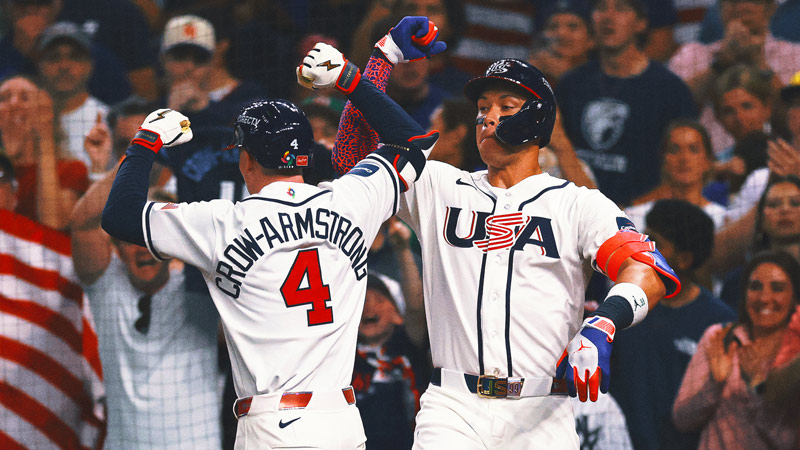
Tournament Format and Rules
The World Baseball Classic uses a structured competition format designed to balance group-stage games with high-pressure knockout contests. Participating teams are divided into pools, where they compete in the opening round. Teams earn results through their performances, and the leading sides advance according to the tournament’s qualification rules.
The knockout stage raises the intensity because teams face elimination. Quarterfinals, semifinals, and the championship game determine which country ultimately wins the title. The exact tournament structure, number of participants, qualification arrangements, and tiebreaking procedures can vary by edition, so fans should check the official regulations for a particular year.
| Tournament Stage | Main Purpose | What Fans Can Expect |
|---|---|---|
| Pool play | Determine which teams advance | Multiple international matchups |
| Quarterfinals | Reduce the field | High-pressure elimination games |
| Semifinals | Identify the finalists | Competitive contests between top teams |
| Championship game | Decide the winner | One game for the international title |
Several baseball fundamentals influence the outcome of these games:
- Pitching depth: Teams need reliable starters and effective relief pitchers.
- Offensive production: Timely hits and home runs can change a game’s momentum.
- Defensive execution: Accurate throws and clean fielding prevent costly mistakes.
- Base running: Smart decisions can create scoring opportunities.
- Bullpen management: Coaches must use pitchers strategically throughout a short tournament.
Because the event takes place over a limited period, teams must prepare carefully and adapt quickly to different opponents.
Top Teams and Their Baseball Traditions
Several countries regularly attract attention because of their baseball history, player development systems, and previous tournament performances.
Japan
Japan is one of the most successful teams in tournament history. Its baseball culture emphasizes technical skill, discipline, teamwork, and detailed preparation. The country has produced outstanding professional players who have succeeded in both Japanese leagues and MLB. Japan’s championship victories have strengthened its reputation as a leading international baseball nation.
United States
The United States has a deep professional baseball system and access to an extensive pool of elite athletes. Its national team combines experienced professionals with emerging talent when players are available and selected. Winning the 2017 championship was an important milestone, and American teams continue to attract attention because of their offensive power and pitching options.
Dominican Republic
The Dominican Republic has a particularly strong baseball tradition and a long history of producing exceptional professional players. Baseball is deeply embedded in the country’s sporting culture, and many talented athletes progress through organized development systems before reaching international leagues. Its 2013 championship remains a significant achievement.
Puerto Rico
Puerto Rico has consistently demonstrated its ability to compete with baseball’s strongest countries. The island has developed many accomplished professional players and enjoys enthusiastic support for its national team. Its performances have helped create some of the tournament’s most memorable international matchups.
Mexico and South Korea
Mexico and South Korea are also important competitors. Mexico has developed a strong baseball following, particularly in regions where the sport has a long-standing presence. South Korea combines organized development, technical ability, and competitive intensity. Both countries can challenge established favorites when their players perform well together.
Famous Players and Memorable Performances
One of the biggest attractions of the World Baseball Classic is the opportunity to watch outstanding athletes represent their countries. The event has featured players known for their hitting power, pitching ability, defensive skill, and leadership. International tournaments can also introduce fans to players who may be less familiar to audiences outside their domestic leagues.
Japan’s Shohei Ohtani became a central figure in the 2023 tournament. His performance as both a hitter and pitcher captured worldwide attention, and he played a decisive role in Japan’s championship run. The final against the United States became especially memorable when Ohtani struck out American teammate Mike Trout to secure the title.
Other editions have featured exceptional contributions from Dominican, American, Puerto Rican, Mexican, Korean, and other international players. These performances show that individual talent matters, but tournament success also depends on preparation, team chemistry, and the ability to perform under pressure.
The competition also provides opportunities for rising stars to gain international recognition. A strong tournament can increase a player’s visibility among fans, analysts, and professional organizations. For supporters, discovering new talent is part of what makes each edition exciting.
Why the Tournament Matters to Global Baseball
International baseball competitions can influence how the sport develops in countries where it already has a large following and in regions where it is still growing. By presenting teams from different nations on a major stage, the tournament helps introduce new audiences to baseball’s rules, traditions, and personalities.
The event can also encourage young athletes to pursue the sport. Seeing professional players represent their home countries may inspire children to join local teams, improve their skills, and learn from experienced coaches. National success can generate additional interest in baseball academies, community leagues, and youth competitions.
For professional baseball, the tournament provides an opportunity to demonstrate the international reach of its player pool. Athletes from different backgrounds contribute distinct styles, experiences, and approaches to the game. Fans can compare playing traditions and appreciate the many pathways through which professional players develop.
The competition also creates commercial opportunities through broadcasting, sponsorships, merchandise, and tourism. Host cities may benefit from visitors who travel to attend games, while international broadcasters can reach audiences in multiple markets. These effects can support the sport’s visibility, although the long-term impact depends on sustained investment and continued fan engagement.
Stadium Atmosphere and the Fan Experience
The atmosphere surrounding international baseball games often differs from the experience of attending a regular club game. Fans gather wearing national colors, displaying flags, singing songs, and celebrating important moments together. Supporters may travel long distances to watch their team, creating a festival-like environment around major games.
Crowd participation can become especially intense when traditional rivals meet. A close game between two highly regarded teams can produce dramatic swings in emotion, from nervous anticipation to explosive celebrations. Every strikeout, stolen base, and home run may carry additional meaning because the result affects national pride as well as tournament progress.
For new fans, attending a game can be a useful way to learn baseball. Watching the interaction between pitchers and hitters, understanding defensive positioning, and following the strategy behind substitutions can make the sport more engaging. Experienced supporters, meanwhile, appreciate the tactical decisions and the opportunity to see international stars compete directly.
The fan experience extends beyond the stadium through television coverage, online discussions, sports journalism, and social media. These channels help supporters follow their teams even when they cannot attend in person.
How to Follow the Tournament
Fans can follow the competition through authorized broadcasters, official tournament announcements, sports news coverage, and live score services. Schedules and viewing options depend on the country, tournament edition, and broadcasting agreements.
A few practical tips can make following the event easier:
- Check the published schedule and local start times before game day.
- Review team rosters to identify key hitters and pitchers.
- Understand the pool standings and qualification requirements.
- Follow pitching changes, injuries, and lineup updates.
- Check official rules for tiebreakers and knockout qualification.
- Watch highlights and postgame analysis to understand decisive plays.
Fans should also remember that tournament rosters can change because of player availability, injuries, insurance arrangements, and eligibility requirements. Checking current information is particularly important before making predictions or planning to attend a game.
Challenges Facing International Baseball
Although the tournament has achieved significant success, international baseball faces several challenges. Player availability is one of the most important. Professional clubs and national teams must manage competing priorities, especially because the competition takes place outside the traditional MLB postseason period. Pitching workloads and injury prevention can influence roster decisions.
Scheduling and travel also require careful coordination. Players may arrive from different leagues, time zones, and training environments. Teams need enough preparation time to build communication and establish a consistent approach before competitive games begin.
Another challenge is maintaining interest between tournament editions. A major international event can generate substantial attention, but continued growth also depends on domestic leagues, youth participation, coaching resources, and accessible facilities. Countries hoping to improve their results must invest in development programs rather than relying only on occasional international exposure.
Broadcasting access and time-zone differences can also affect viewership. Organizers and media partners must help fans discover games and follow teams in different markets. Addressing these challenges can strengthen the competition’s long-term value and expand its international audience.
Future Outlook for International Baseball
The future of international baseball depends on maintaining the tournament’s competitive quality while expanding the sport’s reach. Strong participation from elite players helps attract viewers, while investment in younger athletes creates a foundation for future national teams.
The World Baseball Classic can also help smaller baseball nations develop confidence by providing opportunities to compete against more established opponents. Even when a developing team does not reach the knockout stage, international experience can reveal areas for improvement and help coaches assess their programs.
Technology and digital media may further change how fans engage with the event. Improved statistics, highlights, interviews, and accessible coverage can make games easier to follow for casual viewers. At the same time, the tournament’s strongest attraction will remain the competition itself: talented players representing their countries in games where every result matters.
As international baseball continues to develop, future editions have the potential to create new rivalries, introduce new stars, and bring more supporters into the sport.
Conclusion
The World Baseball Classic has become a major international event by combining professional talent, national pride, and high-stakes competition. From Japan’s championship achievements to memorable performances by stars such as Shohei Ohtani, the tournament has created stories that resonate with baseball fans around the world. Its format rewards preparation, teamwork, pitching depth, and the ability to deliver under pressure.
Beyond the championship itself, the competition helps promote baseball internationally, inspires young players, and connects supporters across different cultures. Challenges involving scheduling, player availability, and long-term development remain important, but the tournament continues to provide a valuable stage for international baseball. For anyone interested in the sport, following its teams, players, and evolving traditions offers an engaging way to experience baseball on a global scale.