
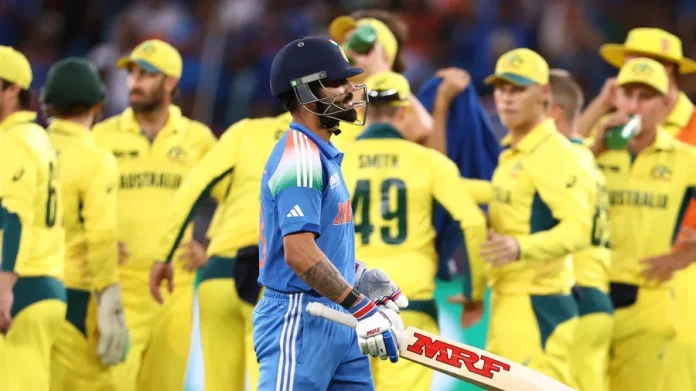
The India national cricket team vs Australian men’s cricket team match scorecard is one of the most searched cricket topics among fans who follow international cricket. India and Australia have a long history of competitive encounters across Test matches, One Day Internationals (ODIs), and Twenty20 Internationals (T20Is). Their matches often feature outstanding batting performances, disciplined bowling, impressive fielding, and memorable moments that influence the outcome of a series or tournament.
A cricket scorecard provides a detailed record of a match, including team totals, individual batting scores, bowling figures, extras, wickets, and the final result. Whether a match takes place in India or Australia, supporters can use the scorecard to understand how the contest developed and which players made the biggest contributions. Since the two teams meet in different formats and competitions, checking the match date and format is essential before interpreting the statistics.
Why the India vs Australia Match Scorecard Matters
India and Australia are two of the strongest teams in international cricket, and their rivalry attracts attention from fans around the world. Every contest offers a different combination of conditions, tactics, and individual performances. A scorecard helps readers move beyond the final result and understand the key events that shaped the game.
For example, a high team total might reflect an excellent opening partnership, a powerful middle-order performance, or a late surge from the lower order. In a low-scoring match, the scorecard may reveal the impact of early wickets, accurate fast bowling, or difficult batting conditions. Bowling figures also show which players controlled the scoring rate and took important wickets.
The India national cricket team vs Australian men’s cricket team match scorecard is especially useful for fans comparing performances across formats. A Test match requires patience and consistency over multiple innings, while an ODI balances accumulation with controlled aggression. T20 cricket places greater emphasis on scoring quickly, taking wickets at key moments, and managing the final overs effectively.
Match Scorecard Overview
A complete scorecard usually contains several sections that explain how each team performed. The following table describes the most important details readers should look for when reviewing an India versus Australia match.
| Scorecard detail | What it tells readers |
|---|---|
| Match format | Whether the contest is a Test, ODI, or T20I |
| Venue | The stadium and location where the match took place |
| Toss result | Which captain won the toss and the decision made |
| Team innings | The total runs scored by each side |
| Batting figures | Runs, balls faced, boundaries, and dismissal details |
| Bowling figures | Overs, maidens where applicable, runs conceded, and wickets |
| Extras | Runs from wides, no-balls, byes, and leg-byes |
| Fall of wickets | The score and stage at which each batter was dismissed |
| Match result | The winning team, margin, or draw or tie where applicable |
| Player of the Match | The player recognised for an outstanding contribution |
These details help readers understand both the individual performances and the overall match situation. However, a scorecard should always be connected to the correct fixture because the teams may play several matches during a single tour or tournament.
Understanding the Batting Performance
Batting statistics are among the first details fans examine. A batter’s total runs indicate their contribution to the innings, while the number of balls faced provides context about their scoring pace. Boundaries, strike rate, and dismissal information help explain whether a player built a steady innings or attacked the bowling from the beginning.
In Test cricket, a long innings can put pressure on the opposition by keeping the bowlers on the field and building a substantial total. In ODIs, partnerships are important because teams need to preserve wickets while maintaining a productive scoring rate. In T20Is, batters often target particular overs and matchups to maximise the total in a limited number of deliveries.
When analysing an India versus Australia encounter, readers should consider the conditions and the stage of the innings rather than judging a performance by runs alone. A batter scoring 40 runs during a difficult chase may make a valuable contribution, while a larger score in easier conditions may require additional context. Partnerships, required run rates, and wickets remaining all help explain the significance of individual scores.
Analysing Bowling Figures
Bowling statistics explain how effectively each side restricted the opposition. The number of wickets taken is important, but economy rate, overs bowled, and runs conceded provide a broader picture. A bowler who consistently prevents boundaries can create pressure even before taking a wicket.
Fast bowlers may benefit from pace, bounce, swing, or seam movement, depending on the pitch and weather. Spinners can become particularly influential when the surface offers turn or when batters attempt aggressive shots under pressure. In limited-overs cricket, death-over bowling is also crucial because a few accurate deliveries can significantly reduce the opposition’s final total.
The bowling section of a scorecard should be assessed alongside the batting figures. If a team loses wickets quickly, the reason may involve excellent bowling, poor shot selection, or challenging conditions. Reviewing partnerships, fall-of-wicket details, and scoring patterns gives fans a clearer understanding of how the bowlers controlled the innings.
The Importance of the Toss and Playing Conditions
The toss can influence a match, although it does not determine the result. Captains consider pitch conditions, weather forecasts, available bowling resources, and how the surface may change during the game before choosing to bat or bowl.
In Australian conditions, some grounds offer pace and bounce that challenge batters, while other venues may provide better opportunities for stroke play. Indian pitches can vary considerably, with some favouring spin and others offering assistance to fast bowlers. These differences influence team selection, batting strategies, and bowling combinations.
A scorecard becomes more meaningful when readers know the venue and match circumstances. For instance, a team total that appears modest in isolation might be competitive on a difficult surface. Similarly, a successful chase can reflect both strong batting and smart management of the required run rate. Considering these factors prevents readers from drawing conclusions based on numbers alone.
Key Factors That Influence India vs Australia Matches
Several recurring factors often determine the outcome of matches between these teams:
- Opening partnerships: A strong start can establish control, while early wickets may force the middle order to rebuild.
- Middle-order stability: Experienced batters can manage pressure and accelerate when the situation allows.
- Bowling discipline: Consistent line and length, combined with smart changes of pace, can restrict scoring opportunities.
- Fielding quality: Catches, run-outs, and the prevention of boundaries can change a close contest.
- Partnerships during a chase: Batters need to balance the required run rate with the wickets available.
- Captaincy decisions: Bowling changes, field placements, and tactical decisions can influence important phases.
- Performance under pressure: Teams that execute their plans in decisive overs often gain an advantage.
These factors explain why a match cannot be fully understood through the final score alone. A detailed scorecard provides the evidence needed to examine how each team handled the major turning points.
Comparing Test, ODI, and T20I Scorecards
Although the same basic statistics appear across formats, their significance changes with the length and nature of the contest.
| Format | Main focus | Important statistics |
|---|---|---|
| Test | Sustained performance across innings | Runs, wickets, partnerships, bowling workload, and innings results |
| ODI | Balancing scoring speed with wicket preservation | Run rate, strike rate, partnerships, and overs remaining |
| T20I | Maximising runs in a short match | Strike rate, boundaries, economy rate, and death-over performance |
Test cricket rewards concentration and tactical flexibility over longer periods. ODI cricket requires teams to adapt their scoring plans as the innings progresses. T20 cricket places pressure on players to make decisions quickly and produce results in a limited number of deliveries.
For this reason, statistics should be interpreted in their proper format. A low strike rate might be appropriate in a Test match but less effective during a demanding T20 chase. Likewise, a bowler’s economy rate can be assessed differently depending on the format and the match situation.
How to Read a Match Scorecard Correctly
Readers can follow a simple process to understand a match report without missing important details.
- Confirm the match date, format, venue, and competition.
- Check the toss and identify which team batted first.
- Compare the innings totals and the number of wickets lost.
- Identify the leading run-scorers and their strike rates where relevant.
- Review the best bowling figures and the number of overs delivered.
- Examine partnerships and the fall of wickets to identify turning points.
- Read the final result and winning margin.
- Consider the pitch, weather, and match situation before comparing performances.
Following these steps makes scorecard analysis more useful for casual fans, cricket students, and readers researching historical matches. It also helps avoid confusing statistics from separate games in the same series.
Historical Significance of the India–Australia Rivalry
India and Australia have produced memorable contests in Test series, ODI tournaments, World Cups, and T20 internationals. Their rivalry has included dramatic run chases, long batting partnerships, outstanding bowling spells, and matches decided by narrow margins. The competitive nature of these encounters has made them an important part of international cricket.
Historical scorecards allow fans to revisit individual achievements and compare players across different generations. They can also help explain how team strategies have evolved. Changes in playing conditions, equipment, fitness, technology, and tactical approaches have influenced how teams approach batting and bowling.
When comparing older and newer matches, it is important to recognise differences in format rules and playing conditions. A performance should be evaluated within its historical context rather than by using a single statistical measure across every era.
Where to Find the Correct Match Details
The exact scorecard depends on the fixture being researched. A Test match, ODI, and T20I between India and Australia will have different innings, players, and results. Even within one series, each match requires a separate record.
Before using a scorecard for an article, report, or statistical comparison, verify the match date, competition, and format. Check the official innings totals, player scores, bowling figures, extras, and result. If the game was affected by rain or ended in a tie, make sure the result description reflects the official outcome.
The India national cricket team vs Australian men’s cricket team match scorecard should therefore be treated as a fixture-specific record rather than one universal set of statistics. Identifying the precise game ensures that readers receive accurate information instead of figures accidentally taken from another encounter.
Conclusion
The India national cricket team vs Australian men’s cricket team match scorecard provides a useful way to understand one of international cricket’s most competitive rivalries. By reviewing batting contributions, bowling performances, partnerships, wickets, and match conditions, fans can discover much more than the final result. Scorecards also support comparisons across Test matches, ODIs, and T20Is, provided the statistics are interpreted in the correct context.
For the most accurate analysis, readers should confirm the exact fixture before examining individual figures. Understanding the match format, venue, and result makes it easier to identify decisive performances and appreciate the tactical decisions behind the contest. Whether following a current series or exploring historic encounters, a carefully checked scorecard remains an essential resource for every cricket enthusiast.