
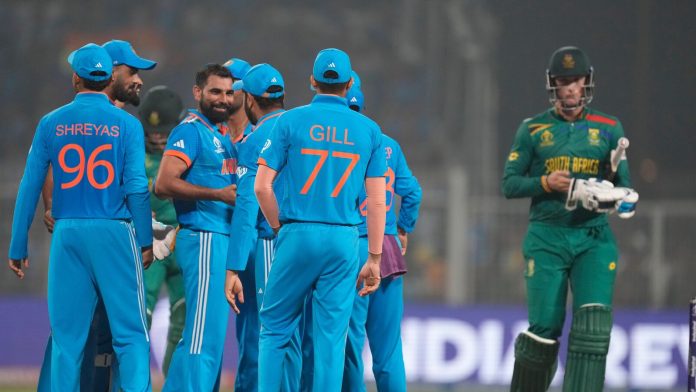
The South Africa national cricket team and the India national cricket team are two of the most competitive sides in international cricket. Their matches often feature powerful batting, disciplined bowling, athletic fielding, and exciting contests between experienced players and emerging talents. Whether they meet in Test cricket, One Day Internationals (ODIs), or Twenty20 Internationals (T20Is), supporters closely follow every run, wicket, partnership, and turning point.
The south africa national cricket team vs india national cricket team match scorecard is a useful resource for understanding how a match develops and which players make the biggest contributions. It provides essential information, including team totals, individual batting scores, bowling figures, extras, fall of wickets, and the final result. However, the exact figures depend on the particular match, format, venue, and date. This guide explains how to read the scorecard, assess individual performances, and understand the important factors that influence a South Africa versus India contest.
South Africa vs India Match Overview
India and South Africa have developed a competitive international cricket rivalry across all three major formats. India is known for its strong batting resources, varied spin attack, and ability to build pressure through partnerships. South Africa often brings pace, bounce, athletic fielding, and aggressive middle-order batting to the contest. These contrasting strengths make their encounters interesting for cricket followers.
A match overview usually includes the competition name, date, venue, toss winner, decision to bat or bowl, innings totals, and final result. In limited-overs cricket, the number of overs completed and wickets lost can help explain the outcome. In Test matches, the scorecard also records each team’s first and second innings, along with declarations, follow-on situations, and the match result.
Before analysing any figures, readers should identify the specific fixture. A Test match scorecard cannot be compared directly with a T20I scorecard without accounting for differences in overs, innings, pitch conditions, and playing strategies.
Match Scorecard Table
The following table provides a scorecard format for reviewing a South Africa versus India match. It is a template rather than a record of a particular fixture, because no match date or format has been specified.
| Match detail | Information to check |
|---|---|
| Teams | South Africa vs India |
| Match format | Test, ODI, or T20I |
| Venue | Stadium and city |
| Toss | Toss winner and decision |
| South Africa innings | Runs, wickets, and overs |
| India innings | Runs, wickets, and overs |
| Top scorer | Player with the highest individual score |
| Best bowling performance | Most influential bowling figures |
| Result | Winner, tie, draw, or no result |
| Player of the Match | Awarded player, where applicable |
An accurate scorecard should contain verified match statistics rather than estimated or invented numbers. Once the particular fixture is identified, the table can be completed with the actual innings totals, individual scores, bowling figures, and result.
Understanding the Batting Performance
Batting figures are among the first details readers examine when reviewing an international cricket match. A scorecard generally lists each batter’s name, runs scored, balls faced, boundaries, sixes, and method of dismissal. These statistics reveal not only who scored the most runs but also how effectively the team used its available batting resources.
For example, a batter who scores 70 runs from 45 balls in a T20I has made a different contribution from someone who scores 70 runs from 100 balls in a Test innings. The first performance may provide rapid momentum, while the second could demonstrate patience and the ability to bat for long periods. In ODIs, strike rotation and the timing of acceleration are often important throughout the innings.
When analysing the south africa national cricket team vs india national cricket team match scorecard, readers should also consider partnerships. A century partnership can stabilise an innings after early wickets, while a quick partnership near the end can increase the final total. Individual runs matter, but their context determines how valuable a batting performance was to the team’s overall result.
Bowling Figures and Wicket-Taking Contributions
Bowling figures help explain how a team restricted its opponent or defended a target. A standard limited-overs scorecard includes overs bowled, maidens where relevant, runs conceded, wickets taken, and economy rate. In Test cricket, the number of overs and the bowler’s workload are also useful when evaluating sustained pressure.
A bowler taking three wickets may have changed the match by dismissing key batters at crucial moments. However, wicket totals alone do not tell the complete story. A bowler who concedes few runs can create pressure that helps a teammate take wickets at the other end. Economy rate, bowling length, line, variations, and performance during difficult phases all contribute to a fuller assessment.
South Africa’s pace bowlers can be particularly effective when the pitch offers bounce or movement. India’s bowling resources may include pace, wrist spin, finger spin, and variations suited to different conditions. The most effective attack is usually the one that adapts to the pitch, the batters, and the match situation.

Important Moments That Can Change the Match
A close cricket contest often turns on a small number of significant moments. Early wickets can disrupt a batting team’s plans, while a strong partnership can restore control. A dropped catch, missed run-out opportunity, successful review, or expensive over may also influence the result.
In a T20I, a late burst of boundaries can change a chase within a few overs. In an ODI, the middle overs are important for balancing scoring speed against wicket preservation. Test matches require a broader view because a session of disciplined bowling or a long batting partnership can change the direction of the game over several hours.
Readers reviewing the scorecard should connect these moments with the numbers. The fall-of-wickets section shows when dismissals occurred, while over-by-over information, when available, explains the pace of scoring. These details provide a more complete understanding than the final total alone.
South Africa vs India Across Different Formats
Test Cricket
Test cricket rewards patience, technique, concentration, and adaptability. Batters must handle sustained bowling spells, changing pitch conditions, and movement off the surface. Bowlers aim to take 20 wickets where possible, and partnerships can determine whether a team establishes a strong lead or struggles under pressure.
The scorecard includes separate innings for both teams and may show declarations, follow-ons, and the number of overs bowled. A match can finish in a win, loss, draw, or tie, depending on the circumstances.
One Day Internationals
ODI cricket combines endurance with controlled aggression. Teams have a fixed allocation of 50 overs per innings in a standard completed match. Batters must build a platform, maintain momentum, and accelerate when appropriate. Bowlers need to manage fielding restrictions, middle-over partnerships, and the final overs.
The ODI scorecard makes it possible to compare the first-innings total with the chase and identify whether wickets or scoring rate were decisive.
Twenty20 Internationals
T20I cricket places a premium on rapid scoring, innovative batting, and effective bowling under pressure. Teams generally have 20 overs per innings. Powerplay performance, middle-over control, and death-over execution can strongly influence the result.
In this format, strike rate, boundaries, economy rate, and wickets at key stages are particularly valuable when analysing a match.
How to Read the Final Result
The result section summarises which team won and by what margin. A team batting first may win by runs if its opponent finishes short of the target. A successful chasing team may win by wickets, with the margin reflecting how many wickets remain when the target is reached.
Test results can include victories by an innings or a certain number of runs, draws, and occasional ties. Limited-overs matches may also end without a result because of weather or other interruptions. Where applicable, the scorecard can show a revised target under the Duckworth-Lewis-Stern method.
The margin should be considered alongside the innings details. A narrow victory may indicate a closely balanced match, while a large margin can reflect a substantial difference in batting execution, bowling effectiveness, or conditions.
Key Statistics Worth Comparing
For a useful analysis of a South Africa versus India fixture, focus on the following figures:
- Highest individual score: Identifies the leading batter and helps explain the innings.
- Top partnership: Shows which batting combination contributed most significantly.
- Best bowling figures: Highlights the bowler who took the most wickets or had the strongest overall impact.
- Run rate or scoring rate: Explains how quickly the batting side accumulated runs.
- Economy rate: Shows how effectively bowlers controlled scoring.
- Fall of wickets: Reveals whether dismissals came in clusters or at regular intervals.
- Extras: Includes wides, no-balls, byes, and leg-byes, according to the scorecard.
- Result margin: Explains how decisively the match was won, if a result was achieved.
These statistics should be interpreted together. A high team total may result from several consistent contributions rather than one exceptional innings, while a low total may reflect disciplined bowling, difficult conditions, or a collapse under pressure.
Why Fans Follow Match Scorecards
Match scorecards are valuable for casual viewers, dedicated supporters, fantasy cricket players, analysts, and writers preparing match reports. They offer a compact record of what happened and allow readers to revisit important performances after the game ends.
For fans who could not watch live, the innings totals and player statistics provide a quick overview. Readers who followed the match can use the scorecard to confirm individual performances, examine partnerships, and compare the two teams’ strengths. Coaches and analysts may look more closely at scoring patterns, bowling spells, and dismissals to identify tactical lessons.
The south africa national cricket team vs india national cricket team match scorecard can also help readers compare performances across a series. Looking at several matches together may reveal consistent batting contributions, effective bowling combinations, or differences between home and away conditions. Such comparisons are most useful when the match format and playing conditions are taken into account.
Conclusion
South Africa versus India remains an exciting international cricket contest because both teams can challenge each other with different combinations of batting skill, bowling variety, and tactical discipline. A carefully reviewed scorecard explains how runs were accumulated, which bowlers created pressure, and what ultimately determined the outcome.
The south africa national cricket team vs india national cricket team match scorecard is most useful when readers examine the innings totals alongside individual performances, partnerships, bowling figures, and the result margin. Since the exact statistics vary by fixture, the match date and format are necessary to produce a verified scorecard with real player names and figures. Understanding these details makes it easier to appreciate the match beyond its final result.