
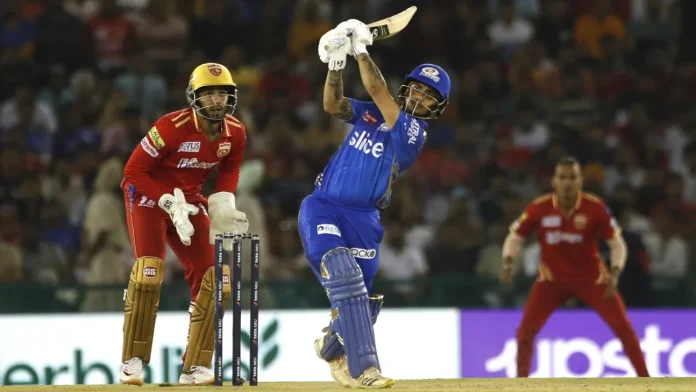
The mumbai indians vs punjab kings match scorecard is a useful resource for cricket fans who want to review the result, team totals, batting performances, bowling figures, and decisive moments from an Indian Premier League (IPL) clash. Mumbai Indians (MI) and Punjab Kings (PBKS) have produced competitive T20 encounters featuring aggressive batting, important bowling spells, and high-pressure finishes.
In the 2026 IPL season, these teams met twice in the league stage, producing two different results. Punjab Kings won the first meeting at Wankhede Stadium in Mumbai, while Mumbai Indians came back to win the return fixture in Dharamshala. These contrasting results make both matches worth examining for fans looking beyond the final score.
This article covers the verified results from both 2026 encounters, key batting and bowling performances, match summaries, and the main factors that influenced each game.
Mumbai Indians vs Punjab Kings Match Scorecard: 2026 Results
The two league-stage matches in 2026 highlighted the competitive nature of this rivalry. Punjab Kings dominated the first meeting with a successful run chase, while Mumbai Indians responded in the second fixture with another successful chase after Punjab posted 200 runs.
Here is a quick overview of both matches.
| Match detail | First match | Second match |
|---|---|---|
| Date | 16 April 2026 | 14 May 2026 |
| Venue | Wankhede Stadium, Mumbai | HPCA Stadium, Dharamshala |
| Mumbai Indians | 195/6 in 20 overs | 205/4 in 19.5 overs |
| Punjab Kings | 198/3 in 16.3 overs | 200/8 in 20 overs |
| Result | PBKS won by 7 wickets | MI won by 6 wickets |
| Player of the Match | Arshdeep Singh |
The results show how quickly a T20 match can change. Punjab’s first victory was built around a fast chase and an effective bowling performance. In the return fixture, Mumbai managed the target more successfully, with Tilak Varma playing a particularly important role.
First Match Scorecard: Punjab Kings Beat Mumbai Indians
The first 2026 meeting took place on 16 April at Wankhede Stadium, Mumbai. Punjab Kings won the toss and elected to field, putting Mumbai Indians in first. Mumbai finished their 20 overs on 195/6, setting a competitive target that required Punjab to maintain a strong scoring rate throughout the chase.
Despite reaching a respectable total, Mumbai could not prevent Punjab from taking control of the match. Punjab reached 198/3 in just 16.3 overs, winning by seven wickets with 21 balls remaining. The result reflected the effectiveness of Punjab’s batting approach and their ability to convert a challenging target into a comfortable chase.
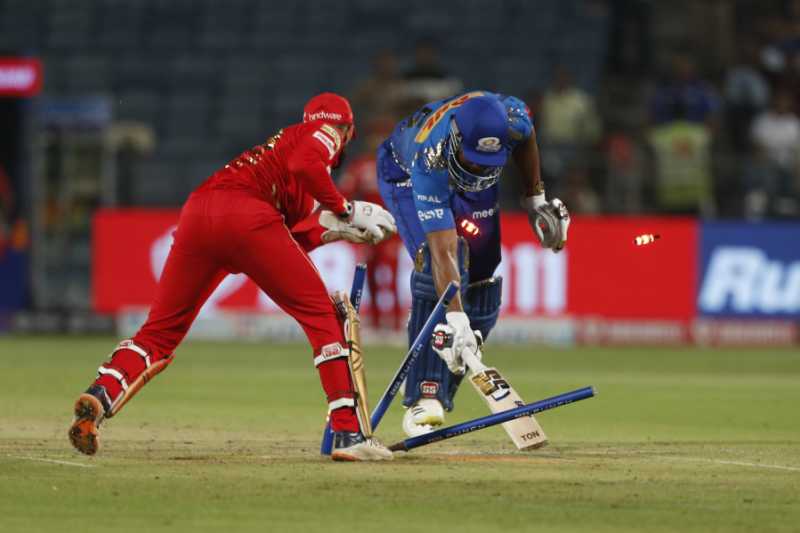
First-match highlights
-
Mumbai Indians scored 195/6 in their allotted 20 overs.
-
Punjab Kings chased the target, finishing on 198/3 in 16.3 overs.
-
Arshdeep Singh was named Player of the Match after taking three wickets for 22 runs.
-
Punjab’s victory margin was seven wickets.
Arshdeep’s bowling performance was especially significant because early wickets can influence the outcome of a T20 contest. His three-wicket haul helped Punjab restrict Mumbai to a total they were able to chase down decisively. Punjab’s finish also demonstrated the value of preserving wickets while maintaining an aggressive scoring rate.
Second Match Scorecard: Mumbai Indians Beat Punjab Kings
The return fixture took place on 14 May 2026 at the Himachal Pradesh Cricket Association Stadium in Dharamshala. Punjab Kings batted first and scored 200/8 in 20 overs. Their total gave Mumbai a demanding target of 201, requiring consistent scoring and careful management of the chase.
Mumbai Indians responded with 205/4 in 19.5 overs, winning by six wickets with one ball remaining. Tilak Varma led the batting effort with an unbeaten-style finishing impact not implied here; his verified score was 75 runs from 33 balls, making him Mumbai’s top batter in the match. Punjab’s Prabhsimran Singh also produced a strong performance, scoring 57 from 32 deliveries.
Second-match highlights
-
Punjab Kings posted 200/8 in 20 overs.
-
Mumbai Indians reached 205/4 in 19.5 overs.
-
Tilak Varma scored 75 off 33 balls.
-
Prabhsimran Singh contributed 57 off 32 balls for Punjab.
-
Shardul Thakur took four wickets for 39 runs for Mumbai.
-
Mumbai won by six wickets.
The result demonstrated Mumbai’s ability to respond after losing the earlier fixture. Chasing 201 required both attacking intent and composure, particularly as the innings approached its final overs. Tilak’s contribution was central to the successful pursuit, while Shardul Thakur’s four-wicket haul had helped limit Punjab’s scoring opportunities.
Batting Performance Analysis
Batting often determines the direction of a T20 match, but the value of an innings depends on more than the number of runs scored. Strike rate, boundary frequency, wickets in hand, and the stage of the innings all influence a team’s ability to build or chase a total.
In the first match, Mumbai’s 195/6 was a substantial score, yet Punjab’s response showed that a competitive total can still be vulnerable when the chasing side scores quickly and keeps wickets in reserve. Punjab completed the chase in only 16.3 overs, illustrating the importance of maintaining momentum throughout the innings.
The second match offered a different batting story. Punjab reached 200, but Mumbai successfully chased the target. Tilak Varma’s 75 from 33 balls was a standout contribution because it combined a high run total with rapid scoring. Prabhsimran’s 57 from 32 balls showed that Punjab also had a batter capable of accelerating the innings.
When analysing a scorecard, readers should consider:
-
Runs scored: Identify the batters who contributed most to the total.
-
Balls faced: Understand how quickly each batter accumulated runs.
-
Strike rate: Compare scoring speed between players.
-
Boundaries: Review fours and sixes to see where momentum developed.
-
Dismissals: Check whether wickets fell early or during the closing overs.
These details provide a clearer picture of why a team won than the final score alone.
Bowling Performance and Match Turning Points
Bowling figures help explain how teams controlled scoring, created pressure, and took crucial wickets. In a short-format match, a single spell can change the momentum by interrupting a partnership or reducing the opposition’s scoring rate.
Arshdeep Singh’s three wickets for 22 runs in the first match were a major contribution to Punjab’s victory. His figures indicate an economical and productive spell in a match where Mumbai eventually scored 195. The fact that Punjab then chased the target with three wickets down shows how their bowling and batting performances worked together.
In the return fixture, Shardul Thakur claimed four wickets for 39 runs, the best bowling return reported for Mumbai. His wickets helped prevent Punjab from turning their 200-run innings into an even bigger total. Mumbai’s batters then completed the chase, giving the team a balanced performance across both departments.
For readers reviewing bowling statistics, the most useful measures include:
-
Wickets: How often a bowler dismissed an opponent.
-
Economy rate: Runs conceded per over.
-
Overs bowled: The number of overs completed.
-
Runs conceded: The cost of each bowling spell.
-
Bowling partnerships: How bowlers applied pressure at different stages.
A strong bowling performance does not always mean the lowest economy rate. Wickets taken at key moments can be equally important, especially when the opposition is scoring quickly.
Head-to-Head Context and Team Comparison
Mumbai Indians and Punjab Kings have both shown the ability to win through different approaches. Mumbai are known for building powerful batting line-ups, while Punjab can combine aggressive batting with impactful pace bowling. Their results against each other depend on conditions, individual form, and execution under pressure rather than reputation alone.
The two 2026 league-stage results offer a useful comparison. Punjab won at Wankhede by seven wickets after chasing 196, whereas Mumbai won in Dharamshala by six wickets after chasing 201. Both winning teams successfully pursued targets above 190, highlighting the importance of batting depth and maintaining a high scoring rate in modern T20 cricket.
| Performance factor | 16 April 2026 | 14 May 2026 |
|---|---|---|
| Team batting first | Mumbai Indians | Punjab Kings |
| First-innings score | 195/6 | 200/8 |
| Winning team’s total | Punjab: 198/3 | Mumbai: 205/4 |
| Overs used by winner | 16.3 | 19.5 |
| Main verified individual highlight | Arshdeep Singh: 3/22 | Tilak Varma: 75 off 33 |
| Match outcome | Punjab won by 7 wickets | Mumbai won by 6 wickets |
The table illustrates a key difference between the matches: Punjab completed their chase with time to spare, while Mumbai’s return-fixture victory went down to the final over. This contrast makes the pair of games valuable examples for fans studying run chases and late-innings pressure.

How to Read a Cricket Match Scorecard
A scorecard provides more than the total runs and final result. Understanding its main fields helps readers evaluate the match even if they did not watch it live.
Batting figures
A batter’s entry typically includes runs, balls faced, fours, sixes, and strike rate. A score of 50 from 30 balls represents a different kind of contribution from 50 off 45 balls. The first innings may create faster momentum, while the second could reflect a more measured approach depending on the target and wickets lost.
Bowling figures
Bowling cards generally show overs, maidens, runs conceded, wickets, and economy rate. For example, a bowler who takes three wickets for 22 runs has made a significant contribution by both restricting runs and dismissing batters. Arshdeep Singh’s figures in the April fixture are a clear example.
Extras and fall of wickets
Extras include runs awarded for wides, no-balls, byes, and leg-byes. The fall-of-wickets section shows the score at which each batter was dismissed. Together, these details reveal whether a team lost momentum through a cluster of wickets or maintained a stable partnership.
For a complete review of the mumbai indians vs punjab kings match scorecard, readers should compare the innings totals with individual batting and bowling contributions. That approach gives a more accurate account of the match than looking at the result alone.
What These Matches Reveal About T20 Cricket
Both fixtures underline three lessons about successful T20 cricket.
First, a total near 200 does not guarantee victory. Teams need to defend such scores with disciplined bowling, effective field placements, and wickets at the right time. Punjab’s successful chase in Mumbai showed how quickly a strong target can be overtaken when the chasing side sustains its scoring rate.
Second, finishing ability matters. Mumbai’s chase in Dharamshala went almost the full 20 overs, so keeping wickets available for the closing stage was important. Third, individual performances are most valuable when they support the team’s overall strategy. Tilak Varma’s 75 and Shardul Thakur’s four wickets helped Mumbai make a strong all-round response in the return match.
For cricket fans, analysts, and fantasy cricket followers, these scorecards offer useful material for assessing batting consistency, bowling impact, and how teams adapt between fixtures. Any fantasy selection or match prediction, however, should use current player availability and confirmed team news rather than relying solely on past performances.
Frequently Asked Questions
1. Who won the Mumbai Indians vs Punjab Kings match in April 2026?
Punjab Kings won the 16 April 2026 match by seven wickets at Wankhede Stadium. Mumbai scored 195/6, and Punjab chased the target with a score of 198/3 in 16.3 overs.
2. What was the score in the May 2026 match?
In the 14 May 2026 fixture, Punjab Kings scored 200/8 in 20 overs. Mumbai Indians replied with 205/4 in 19.5 overs to win by six wickets.
3. Who was the top scorer in the May 2026 match?
Tilak Varma was Mumbai Indians’ leading batter, scoring 75 runs from 33 balls. For Punjab Kings, Prabhsimran Singh scored 57 from 32 balls.
4. Which bowler performed best in the April match?
Arshdeep Singh delivered a standout performance for Punjab Kings, taking three wickets for 22 runs. His contribution helped Punjab restrict Mumbai before completing the chase.
5. Where can I find a complete MI vs PBKS scorecard?
The official IPL match centre provides scorecards, innings totals, player statistics, bowling figures, and match details. Check the specific match date because Mumbai Indians and Punjab Kings played multiple fixtures during the 2026 season.
Conclusion
The mumbai indians vs punjab kings match scorecard from the 2026 IPL season captures two contrasting contests between the franchises. Punjab Kings won the April encounter by seven wickets, chasing Mumbai’s 195/6 in 16.3 overs. Mumbai Indians responded in May by chasing Punjab’s 200/8 to win by six wickets, with Tilak Varma’s 75 off 33 balls standing out as a key batting performance.
These matches demonstrate why a full scorecard matters: it reveals how batting partnerships, bowling spells, wickets, and scoring rates shape a result. Whether you follow MI, PBKS, or the IPL more broadly, reviewing the complete innings and individual performances provides a clearer understanding of the match than the final score alone.