
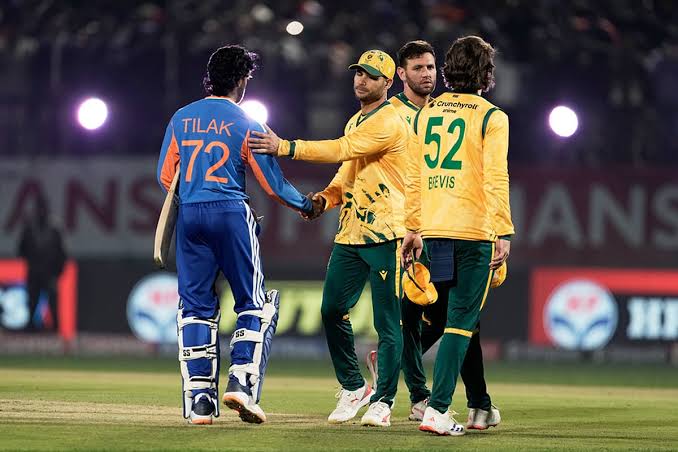
India and South Africa share one of the most competitive rivalries in international cricket. Their matches frequently feature exceptional batting, disciplined bowling, tactical captaincy and exciting finishes. Whether the teams meet in Test cricket, One Day Internationals (ODIs) or Twenty20 Internationals (T20Is), fans expect a contest between two sides with different cricketing strengths and a strong desire to win. India traditionally brings considerable batting depth, spin-bowling options and strong support at home, while South Africa is widely associated with fast bowling, athletic fielding and powerful stroke-makers.
The india vs south africa rivalry has developed through decades of international competition, including bilateral series and major ICC tournaments. Both teams have experienced memorable victories, difficult defeats and periods of rebuilding. The conditions also make a significant difference: Indian pitches can reward spin and batting technique, while South African surfaces often offer pace, bounce and movement. Understanding the teams’ history, playing styles, leading performers and tactical approaches helps fans appreciate why these encounters remain so compelling.
History of the India vs South Africa Rivalry
South Africa returned to international cricket in 1991 after the end of its sporting isolation, opening the door to a new chapter in its cricketing relationship with India. The teams soon began competing in bilateral series, and their encounters gradually became an important part of the international calendar. India offered a challenging environment for visiting South African players, while tours of South Africa tested Indian cricketers against faster pitches and different atmospheric conditions.
Over the years, both sides have produced outstanding players who helped shape the rivalry. India’s batting tradition has featured technically accomplished run-scorers and aggressive modern players. South Africa has relied on a combination of accomplished batters, quick bowlers and exceptional fielders. These contrasting strengths have created matches in which momentum can shift quickly. The rivalry has also evolved as T20 cricket has introduced new tactics, innovative batting shots and greater emphasis on power-hitting.
Today, India and South Africa compete across all three international formats, with each series offering different challenges. Test matches reward patience and endurance, ODIs demand a balance between accumulation and acceleration, and T20Is often depend on short bursts of individual brilliance.
India vs South Africa Head-to-Head Records
Head-to-head statistics provide a useful overview of how these teams have performed against each other. Their records vary across formats, reflecting the importance of playing conditions, squad composition and match strategies. South Africa has historically held an advantage in ODI cricket, while India has enjoyed a stronger overall position in T20 internationals. Test cricket has produced a competitive history, particularly when South Africa tours India and encounters spin-friendly conditions.
The india vs south africa head-to-head record should always be considered alongside the date, venue and format of a match. Statistics change after every international fixture, and records from bilateral series may differ from records in ICC tournaments. The following table presents a snapshot of their overall ODI and T20I rivalry through the latest reported meetings in early 2026. Test results should be checked separately before publishing exact totals because the number of matches and series outcomes changes over time.
| Format | India wins | South Africa wins | Other results |
|---|---|---|---|
| ODI | 42 | 52 | 3 no results |
| T20I | 21 | 14 | 1 no result |
| Test | Competitive rivalry | Competitive rivalry | Draws also possible |
ODI figures are through 6 December 2025; T20I figures are through 22 February 2026. Test figures are not specified here because a verified current total is not included.
These figures illustrate why the rivalry remains interesting. South Africa’s ODI advantage reflects years of consistent performances, particularly on home soil. India, meanwhile, has demonstrated the ability to compete strongly in T20 cricket through aggressive batting and varied bowling combinations. The teams’ relative strengths can change considerably when conditions and player availability change.
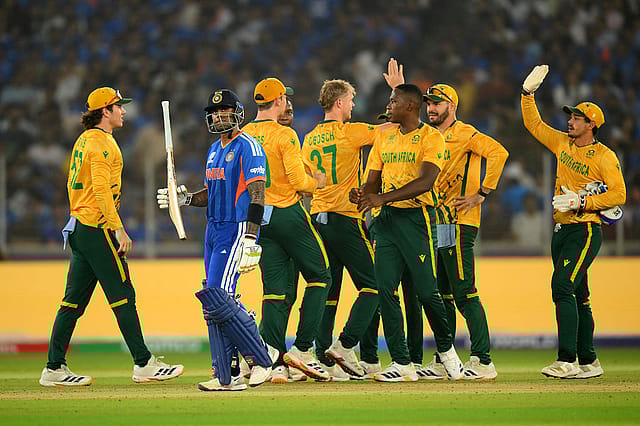
India Team Analysis: Batting, Bowling and Strengths
India’s cricketing identity has traditionally been built around technically strong batters, quality spin bowling and the ability to adapt to different match situations. In limited-overs cricket, the team often combines aggressive opening batters with dependable middle-order players and all-rounders who can contribute with both bat and ball. This structure allows India to accelerate during the powerplay, maintain scoring momentum through the middle overs and finish innings with powerful hitting.
Players such as Virat Kohli, Rohit Sharma, Jasprit Bumrah and Hardik Pandya have played important roles in different formats and periods of this rivalry. Younger players continue to provide competition for places and introduce fresh approaches to batting and bowling. India’s bowling combinations can include specialist spinners, fast bowlers and seam-bowling all-rounders, allowing selectors to adapt to pitch conditions.
India’s major strengths include:
-
A deep batting lineup capable of recovering from early wickets.
-
Spin options that can control the middle overs on suitable surfaces.
-
Experienced players who understand high-pressure international matches.
-
Flexible combinations for Tests, ODIs and T20Is.
-
Strong familiarity with home conditions and diverse domestic pitches.
However, India must avoid overreliance on individual stars. Against South Africa’s pace attack, disciplined shot selection and effective handling of short-pitched deliveries can be decisive. A strong start also needs to be converted into a substantial total rather than allowing wickets to fall during the middle overs.
South Africa Team Analysis: Key Players and Strengths
South Africa has earned a reputation for producing fast bowlers, athletic fielders and batters capable of scoring quickly. The team often looks particularly dangerous when its pace attack finds movement and bounce. Its fast bowlers can challenge batters with different lengths, while its middle-order players can accelerate scoring when the situation demands it.
South African cricket has featured influential players such as AB de Villiers, Jacques Kallis, Dale Steyn, Hashim Amla and Quinton de Kock. Each has contributed to the team’s history in different ways. In the modern game, players such as Aiden Markram, David Miller, Marco Jansen and Kagiso Rabada represent important batting and bowling options when selected and available.
South Africa’s key strengths include:
-
Fast bowling that can exploit pace-friendly surfaces.
-
Powerful middle-order batting and boundary-hitting ability.
-
Athletic fielding and pressure created through sharp catching.
-
Flexible bowling plans for both attacking and defensive situations.
-
Experience in challenging overseas conditions.
South Africa’s challenge is to maintain consistency when conditions favour spin or when opposition batters build partnerships. Against India, the team needs to manage the middle overs carefully, protect against partnerships and avoid conceding easy runs through loose deliveries.
Memorable Matches in the Rivalry
Several encounters have helped establish the reputation of this fixture. One famous ODI performance came in February 2010, when Sachin Tendulkar scored an unbeaten 200 against South Africa in Gwalior. It became the first double century in men’s ODI cricket and remains a landmark achievement in the format.
The 2018 ODI series in South Africa was another significant chapter. India won five of the six matches, with Virat Kohli producing a remarkable run-scoring performance and Indian wrist-spinners Yuzvendra Chahal and Kuldeep Yadav taking advantage of favourable conditions. The series demonstrated that India could succeed convincingly even on challenging overseas pitches.
In T20 cricket, the rivalry has featured dramatic batting displays, rapid changes in momentum and matches decided by bowling execution in the closing overs. The 2024 ICC Men’s T20 World Cup final, in which India defeated South Africa by seven runs, stands out as a particularly memorable encounter. South Africa appeared well placed during the chase, but India’s bowlers recovered control during the final overs.
These matches demonstrate that neither reputation nor a strong start guarantees victory. The side that manages pressure, adapts quickly and executes its plans most effectively usually gains the advantage.
Important Factors That Can Decide a Match
1. Pitch and Weather Conditions
Pitch conditions can influence team selection, bowling strategies and the expected scoring rate. Indian grounds often provide a range of surfaces, from flat batting pitches to tracks that assist spin. South African grounds can offer additional bounce and seam movement. Weather conditions, humidity and dew may also affect how the ball behaves, especially in evening limited-overs matches.
2. The Powerplay
The opening overs are important in ODIs and T20Is because fielding restrictions create opportunities to score boundaries. India may seek to establish an early scoring platform, while South Africa may look to attack with its fastest bowlers. Losing several early wickets can force either side to change its entire approach.
3. Middle-Order Partnerships
Middle-order partnerships often determine whether a promising start becomes a match-winning total. Batters must rotate the strike, identify favourable matchups and avoid unnecessary risks. In Tests, these partnerships can wear down the bowling attack. In limited-overs cricket, they help maintain the required scoring rate.
4. Death Bowling
The closing overs can decide matches, particularly in T20Is. Yorkers, slower balls, accurate bouncers and effective field placements are valuable tools for restricting powerful hitters. Batters, meanwhile, need to select the right deliveries for attacking shots without exposing themselves to avoidable dismissals.

India vs South Africa: Format-by-Format Comparison
| Match factor | India | South Africa |
|---|---|---|
| Batting approach | Technical depth and adaptable scoring | Power hitting and attacking intent |
| Bowling strength | Spin variety and quality pace options | Pace, bounce and seam movement |
| Fielding | Athletic and increasingly versatile | Historically strong athletic fielding |
| Home advantage | Familiarity with varied Indian surfaces | Familiarity with faster South African pitches |
| Main tactical priority | Build partnerships and control phases | Exploit pace and maintain pressure |
This comparison describes broad tendencies rather than fixed rules. Both teams possess players who can adapt their game, and modern cricket increasingly rewards versatility. The strongest lineup is often the one that suits the conditions and the opposition rather than the one with the most famous names.
What Fans Should Watch Before the Next Match
Supporters following an upcoming fixture should examine the confirmed squads, playing conditions and recent form before making predictions. A player’s overall reputation may not reflect their current fitness or performance, while a venue’s characteristics can significantly influence the contest.
Useful points to consider include:
-
Check the confirmed playing XI and any injury updates.
-
Review recent performances in the same format.
-
Examine the pitch report and likely weather conditions.
-
Compare the teams’ powerplay scoring and wicket-taking trends.
-
Consider the toss, dew and the possibility of chasing a target.
-
Review recent head-to-head results without treating them as a guarantee of the next outcome.
The india vs south africa matchup is especially appealing because the two teams can win in different ways. India may dominate through batting depth and spin, while South Africa can turn a contest with pace bowling and explosive stroke play. Either side can gain the upper hand when its strengths match the conditions.
Conclusion
India and South Africa have developed a compelling international cricket rivalry built on competitive matches, outstanding individual performances and contrasting playing styles. From historic ODI achievements to intense T20 contests and demanding Test series, both teams have created moments that cricket fans remember for years.
The india vs south africa rivalry continues to offer valuable lessons in adaptability, preparation and pressure management. India’s batting resources and spin options can be influential, while South Africa’s pace attack and aggressive batting provide a formidable challenge. Ultimately, the outcome depends on the format, venue, team selection and execution on the day. For fans, understanding these factors makes every new encounter more engaging and provides a better perspective on the teams’ performances, records and chances of success.