
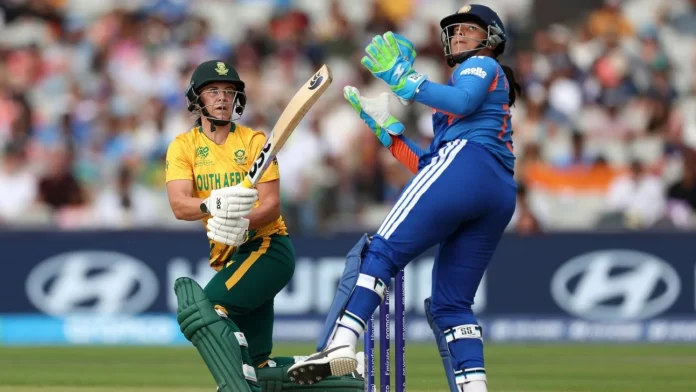
The India women’s national cricket team vs South Africa women’s national cricket team match scorecard is an important resource for cricket fans who want to understand the performance of both teams. A scorecard provides essential match information, including runs scored, wickets lost, overs completed, individual batting contributions, bowling figures, and the final result. Beyond showing the total score, it helps readers understand how a contest developed and which performances influenced its outcome.
India and South Africa have established themselves as competitive forces in international women’s cricket. Their encounters across One Day Internationals (ODIs), Twenty20 Internationals (T20Is), and Test cricket offer different challenges for players. Indian batters often aim to build partnerships and maintain scoring pressure, while South Africa’s players bring their own combination of aggressive batting, disciplined bowling, and athletic fielding. Examining the scorecard alongside the match situation helps fans appreciate the tactical decisions and individual efforts that shape these contests.
Understanding the India Women vs South Africa Women Match Scorecard
A cricket scorecard presents a structured record of a match. It normally begins with the team totals and innings information before listing individual batting and bowling statistics. For readers following an India-South Africa women’s match, these figures reveal whether a team dominated from the beginning, recovered after losing early wickets, or accelerated during the final overs.
The India women’s national cricket team vs South Africa women’s national cricket team match scorecard can also help fans compare the contributions of experienced international players and emerging talents. Batting figures indicate who scored the most runs, how many deliveries they faced, and whether their innings included boundaries. Bowling figures explain how many overs were delivered, how many runs were conceded, and how many wickets were taken.
It is important to remember that the scorecard changes with every match. The date, venue, format, playing XI, and final result must be confirmed before publishing specific figures. Without identifying a particular fixture, it would be misleading to present one set of scores as the definitive result of this matchup.
Key Batting Statistics to Examine
Batting statistics are among the most closely followed elements of a women’s international cricket scorecard. The opening batters usually establish the innings, assess the pitch, and decide how aggressively to approach the new ball. A solid opening partnership can give the middle order the freedom to attack, while early dismissals may force the remaining batters to rebuild.
The middle order often determines whether a promising start becomes a competitive total. Players batting in these positions must rotate the strike, find gaps, handle changes in bowling, and accelerate when opportunities arise. In limited-overs cricket, the final overs can significantly change the innings total, making finishing ability another important factor in match analysis.
When reviewing an India-South Africa scorecard, readers should consider more than the highest individual score. A batter who makes a steady contribution under pressure may be just as valuable as someone who scores quickly. Strike rate, boundaries, balls faced, partnerships, and the stage of the innings all help explain the value of a batting performance.
Important batting details include:
- Runs scored by each batter.
- Balls faced and strike rate.
- Number of fours and sixes.
- Method of dismissal.
- Partnerships and runs scored during different phases.
- Extras and the team’s final innings total.
Bowling Performances and Their Impact
Bowling figures provide another essential perspective on the match. Fast bowlers may use pace, swing, seam movement, and changes of length to challenge the batters. Spinners can create pressure by varying flight, pace, and trajectory while encouraging mistakes. The effectiveness of each approach depends on the pitch, weather, boundaries, and the match situation.
In a contest between India and South Africa, early wickets can influence the entire innings. If the bowling side removes key batters during the powerplay, the opposition may struggle to establish momentum. However, a team that retains wickets can accelerate later and recover from a relatively slow start. Bowling analysis should therefore consider when wickets were taken, not simply how many were recorded.
A useful scorecard review includes overs bowled, maidens, runs conceded, wickets taken, and economy rate. These statistics help distinguish between wicket-taking spells and economical spells that restrict scoring. A bowler who prevents boundaries during a difficult phase can make a meaningful contribution even without taking several wickets.
Fielding also matters. Catches, run-outs, stumpings, and saved boundaries can alter the course of a close match. A complete analysis should combine batting, bowling, and fielding contributions rather than judging a team’s performance through one category alone.
Match Scorecard Table: Statistics at a Glance
The following table provides a practical format for presenting the principal statistics from an India Women versus South Africa Women match. It is a template rather than an official scorecard for a particular fixture. The actual figures should be added after the match has been identified and verified.
| Scorecard detail | India Women | South Africa Women |
|---|---|---|
| Innings total | To be confirmed | To be confirmed |
| Wickets lost | To be confirmed | To be confirmed |
| Overs faced | To be confirmed | To be confirmed |
| Highest individual score | To be confirmed | To be confirmed |
| Leading run-scorer | To be confirmed | To be confirmed |
| Best bowling figures | To be confirmed | To be confirmed |
| Extras conceded or received | To be confirmed | To be confirmed |
| Final result | To be confirmed | To be confirmed |
This format makes the main differences between the teams easy to understand. Readers can quickly compare totals, wickets, and overs while identifying the players who made the largest contributions. For a completed match, the table should also include the toss result, venue, player of the match, and winning margin where those details are available.
How Partnerships Shape the Game
Partnerships are a central part of cricket analysis because they show how two batters work together to manage pressure and increase the score. A strong opening partnership can provide a platform for a large total, while a middle-order partnership may rescue a side after an early collapse. Lower-order partnerships can also prove decisive when a team needs valuable runs in the closing overs.
When studying the India women’s national cricket team vs South Africa women’s national cricket team match scorecard, partnership information helps explain why the final total may be higher or lower than expected. Two batters might score at a moderate rate initially before accelerating once they understand the conditions. Alternatively, a promising partnership may end just as the batting team appears ready to attack.
Partnerships are particularly important in ODIs, where teams have time to rebuild after losing wickets. In T20Is, even a brief partnership can influence the result because each over represents a substantial portion of the innings. Fans should examine both the number of runs added and the number of deliveries consumed to understand the partnership’s effect on the match.
Differences Between ODI, T20I, and Test Scorecards
The format of the match determines how its scorecard should be interpreted. In an ODI, each team generally has a maximum of 50 overs, making a balance between preserving wickets and scoring quickly essential. Batting depth, middle-over partnerships, and late acceleration can all influence the final total. Bowling economy and the timing of wickets are especially useful indicators when comparing the two innings.
A T20I uses a maximum of 20 overs per side. Batters typically need to score at a higher rate, and a few overs with several boundaries can transform the match. Strike rates, powerplay totals, death-over scoring, and economy rates are therefore particularly important. A modest total in one match might be competitive under difficult conditions but inadequate on a flat pitch with short boundaries.
Test cricket uses a different structure, with teams potentially batting in multiple innings over several days. The scorecard focuses on individual innings, total runs, wickets, overs, and bowling workloads. Batting time and the ability to build long partnerships can be as important as the run rate.
Readers should always confirm the format before comparing statistics. A century in an ODI, a rapid fifty in a T20I, and a patient innings in a Test match represent different challenges and should be assessed within their respective contexts.
Important Players and Individual Contributions
Individual performances often attract the greatest attention after an international match. A top-order batter may control the innings with a substantial score, while a middle-order player may deliver crucial runs after early wickets. Lower-order batters can also influence the outcome by extending the innings and adding runs that make the difference between a competitive and an imposing total.
For the bowling side, a spell that removes a set batter can be more influential than the figures alone suggest. Wickets at key moments may interrupt momentum, expose the lower order, and force the remaining batters to take greater risks. Similarly, a disciplined spell that limits boundaries can create pressure that leads to mistakes at the other end.
When reviewing player contributions, readers should consider the match conditions and the demands of the format. A batter chasing a difficult target faces a different challenge from one building an innings after winning the toss and batting first. A bowler defending a small total may need to take risks, while one defending a large target can focus on maintaining control.
The most useful analysis identifies the performances that changed the game’s direction and explains how those contributions affected the final result.
Reading the Match Result and Winning Margin
The final result brings the scorecard together. A team batting first may win by runs if it successfully defends its total. A team batting second may win by wickets if it reaches the target before losing all its available wickets. In some circumstances, a match may end in a tie, be abandoned, or produce no result because weather or other conditions prevent a decisive finish.
The winning margin provides useful context. A narrow victory may indicate a closely contested finish, while a comfortable result could reflect a dominant batting display, an effective bowling performance, or a combination of both. However, the margin alone does not explain the entire match. Reviewing the innings progression and key dismissals offers a clearer picture of how the outcome developed.
For readers searching for the India women’s national cricket team vs South Africa women’s national cricket team match scorecard, the result section should state the winner, the margin, and the relevant match details. It should also distinguish between an official completed result and a live or interrupted match so that readers are not given outdated or inaccurate information.
Why Fans Follow This International Rivalry
India and South Africa offer contrasting cricketing strengths, making their women’s international fixtures interesting to follow. The teams compete in different conditions and formats, testing their adaptability, preparation, and tactical decision-making. Each series also gives players opportunities to demonstrate consistency, develop partnerships, and perform under the pressure of international competition.
For supporters, scorecards provide a quick way to follow individual achievements and team progress. Analysts can use the statistics to identify patterns, such as a team’s success when batting first, its ability to chase targets, or the effectiveness of particular bowling combinations. Coaches and players can also use match data to evaluate decisions and prepare for future fixtures.
The value of a scorecard extends beyond the final numbers. It connects individual performances to the larger story of the match, helping readers understand how momentum shifted and why one team ultimately gained the advantage.
Conclusion
The India women’s national cricket team vs South Africa women’s national cricket team match scorecard is a useful starting point for understanding batting performances, bowling figures, partnerships, and match results. By examining the statistics alongside the format and match situation, readers can gain a more complete picture of the contest.
For accurate reporting, always use the official scorecard for the specific fixture, including the match date, venue, innings totals, player statistics, and final result. These details ensure that the analysis remains informative and reliable for cricket fans following women’s international cricket.