
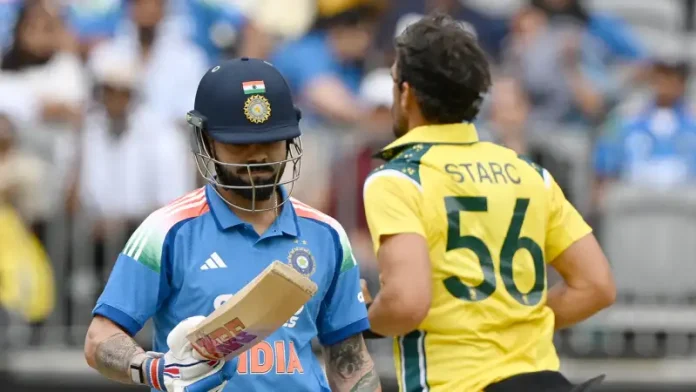
India and Australia share one of the most exciting rivalries in international cricket. Their encounters regularly attract millions of viewers because both teams combine exceptional talent, competitive spirit and a strong desire to win. From historic Test matches to high-scoring One Day Internationals (ODIs) and fast-paced Twenty20 Internationals (T20Is), these teams have produced memorable performances across generations. The rivalry is built on contrasting playing styles, outstanding individual achievements and the pressure of competing at the highest level.
For cricket enthusiasts, India vs Australia is more than a contest between two national teams. It represents a battle of strategy, temperament and adaptability. India is known for its strong batting depth, technically skilled players and increasingly versatile bowling attack. Australia has traditionally earned recognition for aggressive cricket, athletic fielding and a determined approach in important matches. These qualities make their meetings particularly interesting for fans who follow international cricket, player statistics, match results and tournament developments.
History of the India and Australia Cricket Rivalry
The rivalry between India and Australia developed over decades of international competition. Their early encounters helped establish the foundations of a contest that would become one of cricket’s most closely followed matchups. As Indian cricket grew stronger internationally, matches against Australia became increasingly competitive, with both teams producing outstanding performances at home and overseas.
Test cricket has played a major role in shaping this history. Long series have tested players’ concentration, fitness and ability to adjust to different pitches. Australian conditions often reward pace, bounce and disciplined seam bowling, while Indian surfaces can provide opportunities for spin and patient batting. However, modern cricket has shown that neither team can rely on familiar conditions alone. Successful touring sides must adjust their tactics quickly, handle pressure and perform consistently throughout a series.
Major tournament encounters have added another dimension to the rivalry. World Cup matches and championship finals carry additional significance because a single result can determine a team’s progress or decide a title. These occasions have created unforgettable moments for supporters and strengthened the competitive relationship between the two countries.
Head-to-Head Comparison Across Cricket Formats
India and Australia compete in three major international formats: Tests, ODIs and T20Is. Each format creates a different type of contest and rewards different skills. Test cricket emphasizes patience, technique and sustained performance over several days. ODIs require teams to balance calculated scoring with wicket preservation, while T20Is demand quick decisions, innovative batting and effective execution under intense pressure.
The following table summarizes the major areas in which these teams compete. Exact head-to-head totals change after each international match, so current statistics should be checked against the relevant format and match date before publication.
| Category | India | Australia |
|---|---|---|
| Test cricket | Strong batting depth and varied bowling options | Traditionally strong pace attack and competitive mentality |
| ODI cricket | Skilled top-order batting and adaptable strategies | Aggressive batting and strong tournament experience |
| T20I cricket | Powerful batting and flexible bowling combinations | Explosive hitters and tactical flexibility |
| Spin bowling | Often a major strength, especially in suitable conditions | Uses specialist spinners and matchup-based tactics |
| Fast bowling | Increasing pace depth and varied bowling styles | Long tradition of high-quality fast bowling |
| Fielding | Athletic fielders and improving standards | Historically recognized for intensity and catching |
| Match strategy | Can combine patience with attacking play | Often emphasizes aggression and pressure |
The table describes broad historical tendencies rather than fixed characteristics. Both teams have evolved considerably, and their strengths depend on current players, injuries, pitch conditions and team selection.
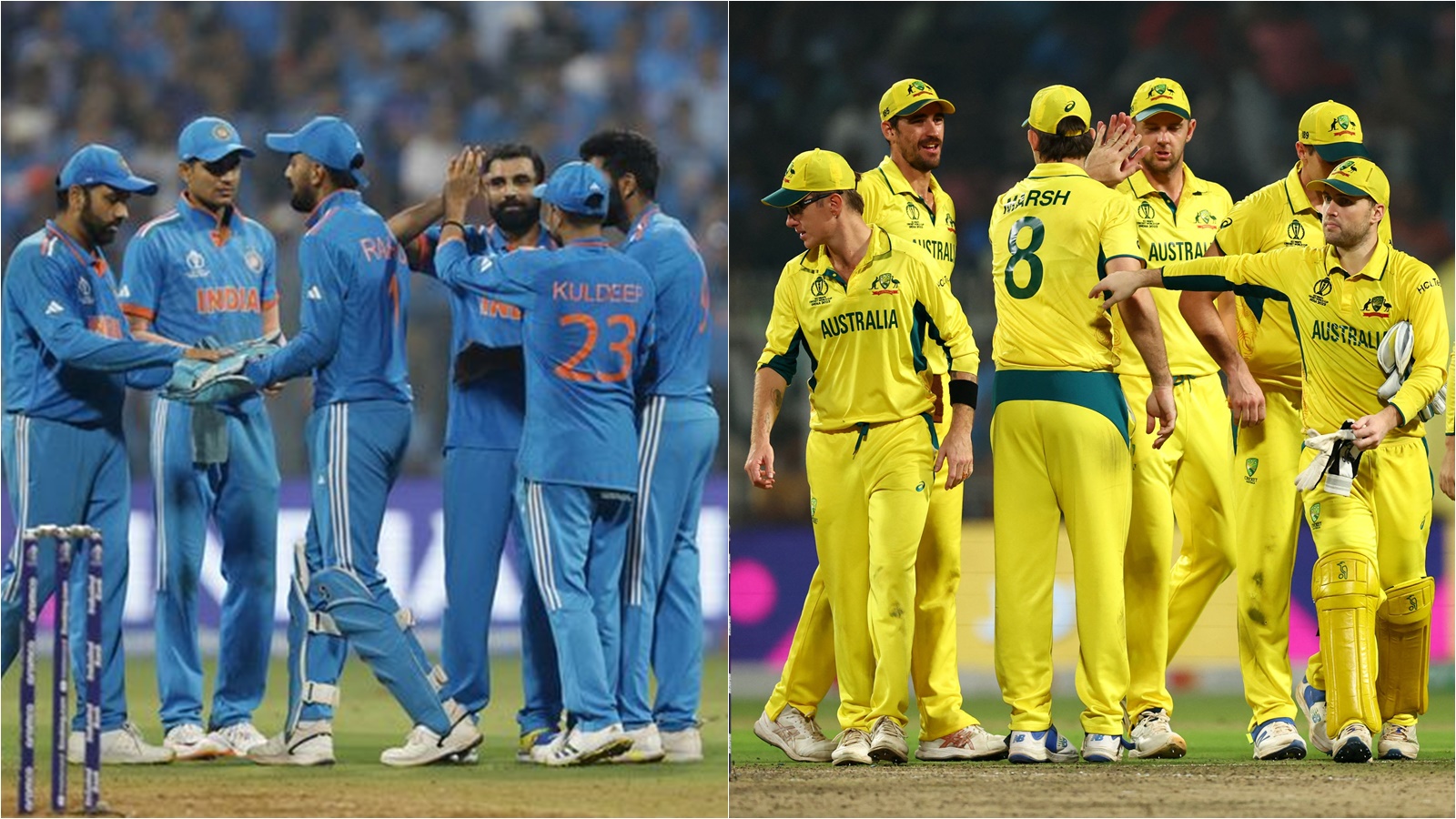
India vs Australia in Test Cricket
Test matches remain central to the rivalry because they reveal the technical and mental qualities of both teams. A five-day contest gives players time to recover from difficult sessions, develop partnerships and change strategies as the pitch deteriorates. The team that manages these changes most effectively often gains a decisive advantage.
India has developed the ability to compete in challenging overseas conditions through improved pace bowling, disciplined batting and a deeper group of international players. Its performances in Australia have demonstrated the value of resilience and strong team planning. Winning away from home requires more than individual brilliance; it demands reliable partnerships, effective bowling rotations and the ability to respond after losing early wickets.
Australia, meanwhile, has historically been difficult to defeat on home soil. Familiarity with local conditions, quality fast bowlers and aggressive fielding can place touring teams under sustained pressure. Nevertheless, Indian players have increasingly challenged that advantage through better preparation and tactical flexibility.
The Border-Gavaskar Trophy has become a defining feature of this competition. It gives the teams an opportunity to compete across a full series rather than relying on the outcome of a single match. Momentum, player fitness and the ability to recover from setbacks often determine which side ultimately succeeds.
India vs Australia in One Day Internationals
ODI cricket combines the endurance of longer formats with the urgency of limited overs. Both teams have produced outstanding performances in this format, particularly during major international tournaments. The balance between building an innings and accelerating the scoring rate is often the key to success.
India’s ODI approach has frequently relied on technically sound top-order batters who can establish a foundation before the middle order increases the scoring rate. A stable batting lineup helps the team respond to different targets and recover from early setbacks. Effective spin bowling and disciplined death-over execution can also restrict opponents during the second innings.
Australia has traditionally been recognized for its aggressive approach and ability to perform under tournament pressure. Its ODI teams have often combined powerful batting with fast bowling and excellent fielding. Australian players can change the direction of a match through quick scoring, crucial partnerships or timely wickets.
World Cup encounters have given the rivalry additional importance. In these matches, preparation and composure are essential because the consequences of mistakes can be significant. Teams must assess conditions carefully, choose appropriate bowling combinations and avoid unnecessary risks when the match situation becomes difficult.
India vs Australia in T20 International Cricket
T20Is introduce a different set of challenges. With only 20 overs per innings, teams must make rapid decisions about batting order, bowling changes and field placements. Individual performances can transform a match within a few overs, making this format especially unpredictable.
India’s T20 approach often emphasizes explosive batting, versatile all-rounders and bowlers capable of adapting to different matchups. Players need to score against pace and spin while maintaining control over risk. Bowlers must use variations, accurate yorkers and changes of pace to prevent opponents from scoring freely.
Australia also possesses the power to change a T20 contest quickly. Strong ball-striking, aggressive intent and adaptable bowling combinations can help the team challenge even substantial targets. Fielding becomes particularly important because saving a few runs or completing a difficult catch can decide a close game.
The most successful T20 side is not necessarily the one with the biggest hitters. Consistency in execution, smart use of matchups and calm decision-making during the final overs are equally important. Both India and Australia must balance attacking ambition with tactical discipline to perform consistently in this format.
Key Players and Individual Contributions
Individual performances frequently influence the outcome of matches between these teams. Experienced batters can stabilize an innings, while aggressive players can change the scoring rate when the opportunity appears. Bowlers who understand conditions and maintain accuracy can create pressure that leads to important breakthroughs.
India has produced many influential batters, including Sachin Tendulkar, Virat Kohli and Rohit Sharma. Their contributions across different periods demonstrate the importance of technique, consistency and the ability to handle high-pressure situations. India’s bowling development has also strengthened its competitiveness, with fast bowlers and spinners offering different options depending on the format and conditions.
Australia has featured legendary performers such as Ricky Ponting, Steve Waugh, Glenn McGrath and Shane Warne. More recent generations have continued the country’s tradition of producing technically skilled batters, aggressive fast bowlers and effective all-rounders. Players such as Steve Smith, Pat Cummins and Mitchell Starc have contributed to Australia’s modern international success.
However, historical reputations do not guarantee future results. Current form, fitness, player availability and conditions must be considered when assessing an upcoming fixture. The contribution of the entire team is usually more important than the reputation of any single individual.
Factors That Influence Match Results
Several factors can determine whether India or Australia gains the advantage in a particular contest. Conditions, team composition and the timing of key performances can change the direction of a game.
Important factors include:
- Pitch conditions: Surface pace, bounce, turn and deterioration influence batting and bowling strategies.
- Toss decisions: Teams may prefer to bat or bowl first depending on the format, weather and pitch.
- Batting partnerships: Long partnerships create stability and help teams establish competitive totals.
- Bowling discipline: Consistent line and length reduce scoring opportunities and create wicket-taking chances.
- Fielding standards: Catches, run-outs and boundary saves can have a major impact on close matches.
- Player fitness: Injuries and workload management can influence selection and tactical planning.
- Pressure management: Teams that remain composed during difficult periods often make better decisions.
Understanding these factors gives fans a more complete view of the contest. A strong team on paper can struggle if the conditions do not suit its strengths, while a well-prepared side can outperform expectations through disciplined execution.
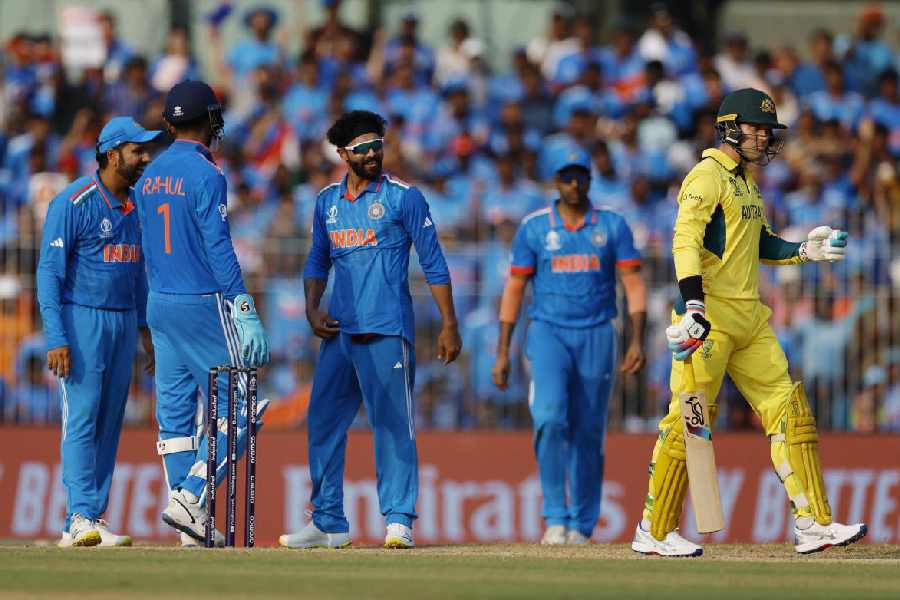
How to Analyze an India-Australia Match
A useful match preview should consider more than recent scores or the names of star players. Fans can gain a better understanding of the likely contest by examining recent form, venue records, player roles and the expected balance between batting and bowling.
Start by checking the confirmed squads and identifying any unavailable players. Next, review the pitch report and consider whether the surface is likely to favor pace, spin or batting. Recent performances can provide context, but they should not be treated as a guarantee of future results. Conditions and opposition quality may differ significantly between matches.
It is also important to evaluate the middle overs and final overs. In ODIs, teams often build their innings before accelerating late. In T20Is, powerplay scoring and death bowling can become decisive. In Tests, session-by-session performance, wicket preservation and bowling workload are usually more relevant.
For a reliable analysis, compare the following information:
- Recent results in the same format.
- Confirmed playing elevens and player availability.
- Venue conditions and historical pitch behavior.
- Batting depth and bowling combinations.
- Performance under pressure in comparable matches.
This approach creates a more balanced assessment and avoids relying entirely on assumptions or past reputations.
Why Fans Follow This Rivalry
The popularity of India and Australia extends beyond their results. Both countries have established cricket traditions, passionate supporters and large audiences for international fixtures. Their matches attract attention because the teams regularly feature internationally recognized players and compete in important series and tournaments.
The rivalry also offers variety. Test matches can develop slowly before reaching dramatic conclusions, ODIs can feature long innings and late scoring surges, and T20Is can change direction within minutes. This range makes the matchup appealing to fans with different preferences.
For younger viewers, these contests provide opportunities to understand batting technique, bowling strategy and team discipline. For experienced followers, they offer historical comparisons and debates about the greatest players and performances. Every new series adds another chapter to a rivalry that continues to evolve with changing squads and playing styles.
Conclusion
India and Australia have established one of international cricket’s most compelling rivalries through decades of competition across Test matches, ODIs and T20Is. Their encounters showcase different strategies, outstanding individual skills and the importance of preparation under pressure. While historical records provide useful context, current form, conditions and team selection remain essential when evaluating any upcoming match.
Following India vs Australia becomes more rewarding when fans consider the wider picture, including head-to-head history, player contributions, pitch conditions and tactical decisions. Neither team can rely solely on reputation or past achievements. Success depends on adapting to the situation, performing consistently and taking advantage of key moments. As both nations continue to develop new talent and compete for major honors, their future meetings are likely to remain significant events on the international cricket calendar.