
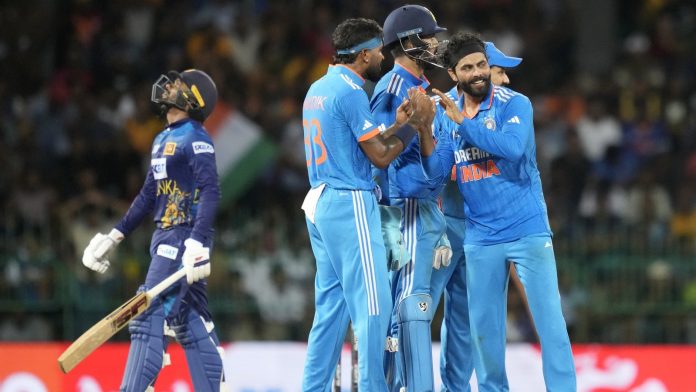
Sri Lanka Batting Performance and Important Partnerships
Sri Lanka’s batting performance is another essential part of the match analysis. The team must adapt to India’s bowling attack, which can combine pace, swing, accuracy, and spin depending on the conditions. Sri Lankan openers generally need to negotiate the new ball carefully before building partnerships. Middle-order batters then have the responsibility of stabilising the innings, particularly when early wickets create pressure on the team.
Partnerships are especially important when chasing a target. Two batters who rotate the strike regularly can reduce the pressure created by dot balls, while well-timed boundaries help maintain the required run rate. In Test cricket, partnerships can also consume valuable time and frustrate the bowling side. A scorecard helps readers identify these contributions by showing individual scores, dismissal details, and the fall of wickets.
When analysing Sri Lanka’s innings, readers should consider whether the team started strongly, recovered after losing wickets, or struggled against a particular bowling style. A lower total does not automatically mean the batters performed poorly; pitch conditions, opposition quality, and the match situation also matter. Comparing the two innings provides a more balanced understanding of the contest.
Recent Test Match Scorecard: India vs Sri Lanka, August 2026
The first Test of India’s 2026 tour of Sri Lanka provides a useful example of how a scorecard can explain the result. The match was played at Galle International Stadium from 15 to 19 August 2026. India won by 165 runs after establishing a substantial first-innings lead and dismissing Sri Lanka in both innings.
| Innings | Score | Overs |
|---|---|---|
| India, first innings | 462 all out | 116.4 |
| Sri Lanka, first innings | 284 all out | 79.4 |
| India, second innings | 193 all out | 48.5 |
| Sri Lanka, second innings | 206 all out | 77.4 |
India’s first-innings total of 462 provided a strong foundation. Devdutt Padikkal scored 167, while KL Rahul contributed 82 and Dhruv Jurel added 51. Sri Lanka responded with 284, leaving India with a significant advantage. India then scored 193 in its second innings, setting a demanding target for the hosts. Sri Lanka managed 206 in its final innings, and India secured victory by 165 runs.
The figures demonstrate why the first innings can be so important in Test cricket. India’s substantial initial total created pressure that Sri Lanka could not overcome despite batting twice. Padikkal’s century was a major contribution, while India’s bowlers helped ensure the advantage translated into a result.
Bowling Analysis and Match-Winning Spells
Bowling statistics help explain how a team controls the match. The most useful figures include overs bowled, runs conceded, wickets taken, maiden overs, and economy rate. In limited-overs cricket, economy rate is particularly valuable because restricting runs can create pressure and force batters to attempt riskier shots. In Test matches, bowlers must also maintain discipline over long spells while creating opportunities for dismissals.
Fast bowlers can exploit movement with the new ball, while spinners may become more influential as a pitch wears. Captains need to select the right bowlers for each phase and make field placements that support their plans. A wicket-taking spell can change a match quickly, but economical bowling can be equally important when it builds pressure from one end.
For readers studying the Sri Lanka national cricket team vs India national cricket team match scorecard, bowling figures should be assessed alongside the opposition’s total and the conditions. Taking three wickets while conceding relatively few runs may be decisive in a close match. In a high-scoring contest, a bowler who removes key batters at important moments can also have a greater impact than the raw numbers suggest.

Key Factors That Influence the Match Result
Several factors determine whether India or Sri Lanka gains control of an international cricket match. The toss can influence the decision to bat or bowl first, particularly when weather, moisture, or pitch conditions favour one approach. However, winning the toss does not guarantee success. Teams must execute their plans effectively and adjust when conditions change.
The quality of partnerships is another major factor. A strong opening stand reduces pressure on the middle order, while a late partnership can add valuable runs when wickets are falling. Bowling changes, fielding standards, dropped catches, and run-outs can also alter the direction of a match.
Important points to consider when analysing the contest include:
- Opening partnership: whether the team established a solid start.
- Middle-order stability: how effectively batters responded to wickets.
- Scoring rate: whether the innings maintained suitable momentum.
- Bowling discipline: how well the bowlers controlled runs and took wickets.
- Fielding performance: whether catches and run-out opportunities were converted.
- Pressure management: how players responded during crucial overs or sessions.
- Conditions: how the pitch and weather influenced batting and bowling.
These factors help readers understand the context behind the final score rather than relying on the result alone.
Differences Between ODI, T20I, and Test Scorecards
The format of a match determines which statistics are most useful. In ODIs, teams have 50 overs per innings, making the balance between preserving wickets and accelerating the scoring rate particularly important. Batting averages, strike rates, partnerships, and runs scored during the final overs can help explain a team’s performance.
T20I matches are shorter, with each team normally facing a maximum of 20 overs. Strike rate, boundary percentage, powerplay performance, and death-over bowling become especially important. A quick innings can change the match within a few overs, and even a small number of dot balls may create pressure during a chase.
Test cricket requires a different approach. Batters need to build longer innings, bowlers aim to dismiss ten batters in an innings, and teams must manage time as well as runs. Match results may depend on the follow-on, declaration decisions, pitch deterioration, and the time remaining. Readers should therefore avoid comparing raw totals across formats without considering the number of overs and the match situation.
How Fans Can Analyse Player Statistics
Player statistics become more meaningful when viewed in context. A batter’s average can indicate consistency, while strike rate shows scoring speed in limited-overs cricket. In Tests, balls faced and time spent at the crease may reveal a player’s ability to withstand pressure. Bowling averages and economy rates provide additional insight, but neither statistic should be considered independently.
Fans can use the following approach to assess individual contributions:
- Identify the highest scorers and examine how they built their innings.
- Compare the opening and middle-order partnerships.
- Check which bowlers took important wickets.
- Review extras and the fall of wickets.
- Compare the required scoring rate with the actual scoring rate in a chase.
- Consider the pitch, venue, format, and opposition strength.
The Sri Lanka national cricket team vs India national cricket team match scorecard becomes more informative when these comparisons are combined. It can help readers identify consistent performers, understand tactical decisions, and recognise the moments that influenced the outcome.
Conclusion
The Sri Lanka national cricket team vs India national cricket team match scorecard provides a detailed view of one of international cricket’s competitive rivalries. Batting totals, individual contributions, bowling figures, partnerships, and match conditions all help explain how a contest develops. India’s 165-run victory in the first Test at Galle in August 2026 illustrates how a strong first innings and sustained bowling pressure can create a winning advantage.
For the most complete analysis, readers should examine each innings separately before comparing the overall totals and final result. Understanding the format, venue, and match situation makes player statistics more useful and helps fans appreciate the strategy behind every performance. Whether following a Test, ODI, or T20I, a carefully analysed scorecard offers a clear picture of the contest and the performances that shaped its outcome.