
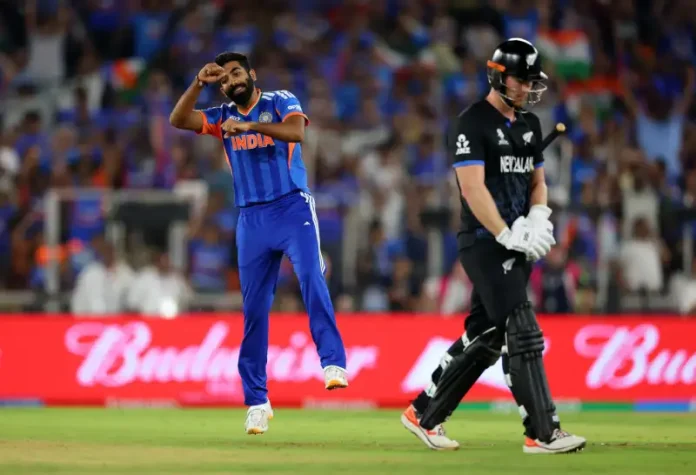
The India vs New Zealand cricket rivalry is one of the most compelling matchups in international cricket. Both teams have developed strong reputations through disciplined performances, talented players, and memorable contests across Test matches, One Day Internationals (ODIs), and Twenty20 Internationals (T20Is). India are widely recognized for their batting depth, spin options, and ability to dominate at home, while New Zealand have built a reputation for teamwork, tactical flexibility, and composure under pressure. Whenever these sides meet, the contest often becomes a fascinating battle between individual brilliance and collective execution.
The rivalry attracts attention from cricket fans because the teams bring different strengths to the field. Indian batters frequently look to establish control through partnerships and aggressive stroke play, whereas New Zealand often emphasize disciplined bowling, intelligent field placements, and adaptability. Conditions also play a significant role, with Indian pitches often supporting spin and New Zealand surfaces sometimes offering assistance to seam bowlers. Understanding these differences helps explain why matches between the two nations can produce unexpected results and memorable performances.
History of the India vs New Zealand Cricket Rivalry
India and New Zealand have competed in international cricket for decades, creating a history filled with competitive series, significant tournament encounters, and outstanding individual displays. Their rivalry extends across all three major international formats, giving supporters multiple ways to compare their strengths. Test cricket has traditionally emphasized patience, technique, and endurance, while ODIs have highlighted batting depth and strategic bowling changes. T20Is have added another dimension, with aggressive batting, innovative shot selection, and rapid momentum shifts becoming increasingly important.
Over the years, both teams have experienced periods of dominance. India have frequently benefited from strong home performances and a deep pool of internationally experienced players. New Zealand, meanwhile, have demonstrated that disciplined preparation and effective teamwork can challenge even highly favored opponents. Their meetings in major international competitions have also attracted significant interest because the pressure of knockout cricket leaves little room for mistakes. The rivalry continues to evolve as new players enter the international arena and established stars adapt their games to changing conditions.
India vs New Zealand Head-to-Head Record
The head-to-head record provides useful insight into how these teams have performed against each other. Their results vary by format, reflecting differences in playing conditions, team composition, and match strategies. India have generally been stronger in T20 internationals and have maintained a competitive advantage in ODIs, while New Zealand have repeatedly demonstrated their ability to win important Test matches. Historical results also show that previous records cannot guarantee future success, especially when the teams face each other in unfamiliar conditions.
The following table summarizes selected head-to-head statistics recorded through March 2026. These figures cover the modern period represented in the underlying statistical record and should not be interpreted as the complete historical record across every era.
| Format | Matches | India wins | New Zealand wins | Other results |
|---|---|---|---|---|
| Tests | 22 | 8 | 7 | 7 draws |
| ODIs | 58 | 30 | 23 | 1 tie, 4 no-results |
| T20Is | 31 | 17 | 11 | 3 ties |
| Total | 111 | 55 | 41 | 7 draws, 4 ties, 4 no-results |
These figures illustrate why the rivalry remains competitive. India have recorded more victories in each of the three formats within this dataset, but New Zealand’s performances in major tournaments demonstrate that a historical disadvantage does not prevent them from challenging India when the stakes are high.

Memorable Matches Between India and New Zealand
Some encounters between these teams have become defining moments in international cricket. Their 2019 Cricket World Cup semifinal, for example, was a tense contest in which New Zealand defended a modest total and eliminated India after a dramatic two-day finish caused by rain. The match demonstrated how disciplined bowling and sustained pressure can overcome a team with considerable batting talent.
The 2021 World Test Championship final was another landmark event. New Zealand defeated India in Southampton to become the inaugural World Test Championship winners. Their bowlers exploited the conditions effectively, while the batters handled the difficult chase with patience. More recently, New Zealand’s historic 3–0 Test series victory in India in 2024 showed that even India’s traditionally strong home advantage can be challenged through careful preparation and consistent execution. These results have added new dimensions to the rivalry and reinforced New Zealand’s reputation as a dangerous opponent in major competitions.
Key Indian Players to Watch
India’s strength comes from a combination of technically accomplished batters, versatile all-rounders, and bowlers capable of changing a match in a short spell. Shubman Gill represents the next generation of Indian batting leadership, combining an organized technique with the ability to score quickly when conditions allow. Experienced players such as Virat Kohli and Rohit Sharma have also contributed significantly to India’s white-ball success through their consistency, leadership, and ability to handle high-pressure situations.
In the bowling department, Jasprit Bumrah offers exceptional control, pace variation, and accuracy at the death. Ravindra Jadeja adds value with his left-arm spin, athletic fielding, and useful lower-order batting. India’s overall effectiveness depends on how well these specialists work together. If the top order establishes a strong foundation and the bowlers maintain pressure throughout the innings, India can dictate the pace of a match. The team’s challenge is to remain adaptable when New Zealand’s seam attack or disciplined field placements disrupt their preferred approach.
Key New Zealand Players to Watch
New Zealand’s cricketing identity has traditionally emphasized teamwork, flexibility, and calm decision-making. Kane Williamson has long been associated with the team’s measured batting approach and leadership, while players such as Daryl Mitchell and Rachin Ravindra provide the ability to build innings and accelerate when opportunities arise. Their contributions become especially important when New Zealand must recover from early wickets or counter India’s spin options.
Mitchell Santner offers a valuable combination of left-arm spin, economical bowling, and lower-order batting. Fast bowlers such as Lockie Ferguson can create pressure through pace, while New Zealand’s wider bowling group often relies on accuracy and changes of length rather than unnecessary aggression. The team’s success frequently depends on using these strengths intelligently. When New Zealand restrict India’s scoring options during the middle overs and maintain partnerships with the bat, they can turn a match into a close contest even against a highly rated opponent.
Batting Strengths and Tactical Approaches
India’s batting strategy often revolves around building a solid opening partnership before increasing the scoring rate. In ODIs, this approach allows the middle order to target the final overs with wickets available. In T20Is, the balance between rapid scoring and protecting wickets becomes even more important because a slow start can place excessive pressure on the remaining batters. India’s batting depth gives the team several ways to respond, but success still depends on selecting the right approach for the pitch and opposition.
New Zealand generally focus on calculated aggression and preserving control of important phases. Their batters may prioritize rotating the strike against spin before attacking pace bowlers or targeting specific fielding positions. Against India, they must be particularly careful not to allow the middle overs to become a period of sustained pressure. Both teams can produce large totals when conditions favor batting, so the ability to assess the surface quickly and adjust shot selection is often more valuable than simply attempting to score as quickly as possible.
Bowling Battle: Pace Versus Spin
Bowling is often the decisive factor in India vs New Zealand encounters. Indian bowlers can combine high-quality pace with wrist-spin and finger-spin options, making it difficult for opponents to maintain a consistent scoring rate. Bumrah’s accuracy and ability to bowl effective yorkers are especially useful in limited-overs cricket, while Jadeja and other spinners can restrict scoring opportunities on turning pitches. In Test matches, India’s attack aims to create sustained pressure through disciplined lines, reverse swing when conditions permit, and patient use of spin.
New Zealand frequently look to exploit movement through the air and off the pitch. Their seamers can be particularly effective in cooler conditions, where the ball swings or moves after pitching. Their strategy often involves targeting the top of off stump, forcing batters to play rather than allowing them to score freely. In shorter formats, variations in pace and changes of length help them defend totals. The outcome of the bowling contest often depends on which side adapts more successfully to the conditions during the opening overs and the middle phase.
Pitch Conditions and Home Advantage
Playing conditions have a significant influence on results between India and New Zealand. Indian grounds often provide surfaces that reward batting technique and, depending on the venue, may become increasingly helpful for spin as a match progresses. Familiarity with local pitches, heat, and humidity can benefit Indian players, especially during long Test series. Nevertheless, not every Indian surface behaves the same way, and some grounds offer substantial assistance to fast bowlers early in a match.
New Zealand’s home conditions can present a different challenge. Several grounds offer seam movement and bounce, particularly when the weather is cool or overcast. Indian batters must be prepared to leave deliveries outside off stump, maintain balance, and avoid chasing balls that move away from them. Successful touring teams adjust their techniques without abandoning their natural scoring strengths. The toss, weather forecast, pitch preparation, and the condition of the ball can all influence team selection and tactics, making pre-match assessment an important part of the contest.
India vs New Zealand: Upcoming International Series in 2026
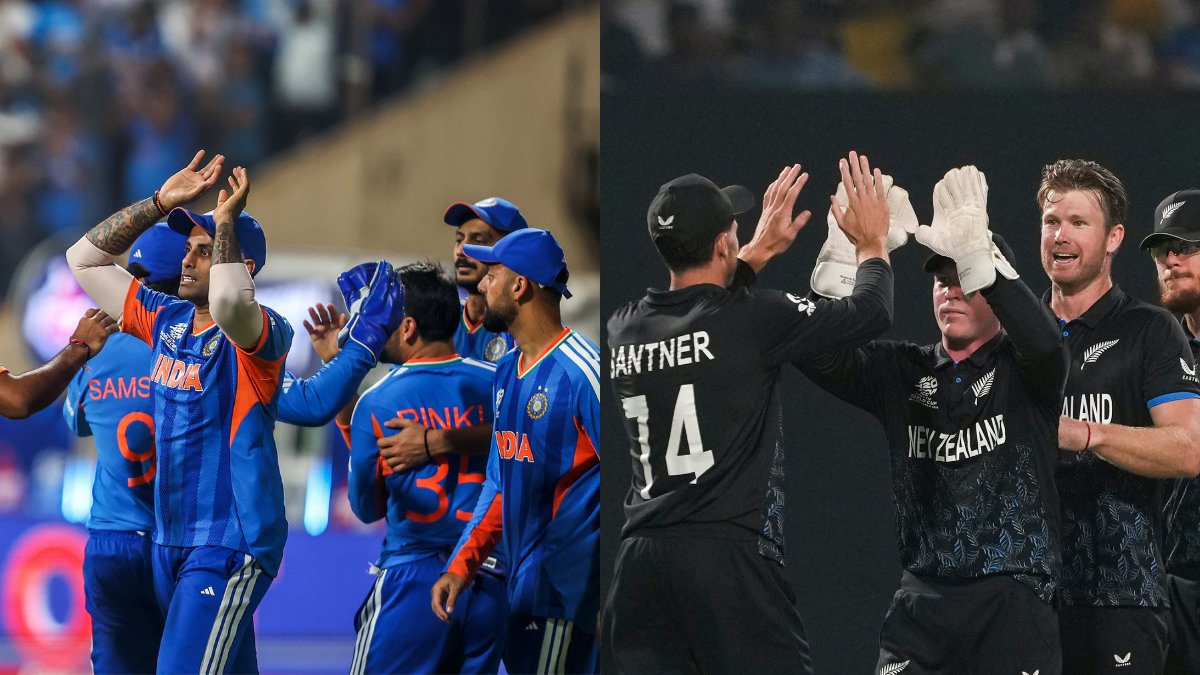
The teams are scheduled to meet again in New Zealand during a multi-format tour in late 2026. According to announcements reported in October, the programme includes five T20 internationals, five ODIs, and two Test matches. The ODI series is scheduled to begin on November 4, while the Test series is scheduled to start on November 19. India will use the tour to assess combinations and build towards the 2027 ODI World Cup, while New Zealand will look to make the most of home conditions.
The tour should provide several compelling storylines. India’s senior players will bring valuable experience, while younger members of the squad will have opportunities to demonstrate their ability against a strong international opponent. New Zealand’s returning players and all-round options could also influence selection decisions across formats. Supporters should check the final team announcements and official schedules for any changes to dates, venues, or playing combinations.
Important Factors That Could Decide the Series
Several elements may determine which team performs better across the upcoming contests:
-
Opening partnerships: Strong starts can reduce pressure on the middle order and establish control over the innings.
-
Powerplay bowling: Early wickets can force the opposition to change its planned scoring strategy.
-
Spin management: Batters who rotate the strike effectively against spin can prevent bowlers from building sustained pressure.
-
Fielding standards: Catches, run-outs, and ground fielding can make a major difference in close matches.
-
Adaptability: The ability to adjust tactics to different pitches and weather conditions is essential during a multi-format tour.
-
Pressure management: Calm decision-making in the final overs or final sessions can separate winning performances from disappointing ones.
Both teams possess the resources to win individual matches, so consistency across the entire series will be more important than one outstanding performance.
Why Fans Continue to Follow This Rivalry
The appeal of this contest extends beyond statistics and individual achievements. India bring a passionate cricket culture, an extensive talent pool, and high expectations whenever they compete internationally. New Zealand offer a contrasting model built around tactical discipline, collective responsibility, and an ability to perform above expectations in major competitions. Their different approaches make every series an opportunity to examine how preparation, talent, and strategy interact.
The rivalry also provides a platform for emerging players to establish themselves against experienced international opposition. Young batters can demonstrate their technique against quality pace bowling, while new bowlers can test their skills against established stars. For supporters, this creates a blend of familiar names, fresh talent, and unpredictable match situations. Whether the contest is a five-day Test, a strategic ODI, or an explosive T20I, the balance between patience and aggression remains central to its appeal.
Conclusion
India and New Zealand have built a memorable international cricket rivalry through competitive series, dramatic finishes, and important tournament encounters. India have held an advantage in the modern head-to-head statistics discussed here, but New Zealand have repeatedly shown that disciplined teamwork and intelligent tactics can overcome historical trends. Their contrasting strengths make the matchup interesting across Test cricket, ODIs, and T20Is.
The upcoming 2026 tour in New Zealand adds another chapter to this sporting relationship. India’s batting depth and bowling variety will be tested against New Zealand’s seam attack, tactical flexibility, and familiarity with home conditions. Ultimately, the team that adapts fastest, maintains consistent partnerships, and executes its plans under pressure will have the best chance of success. For cricket fans, india vs new zealand remains a matchup worth following for its quality, unpredictability, and potential to produce more memorable moments.