
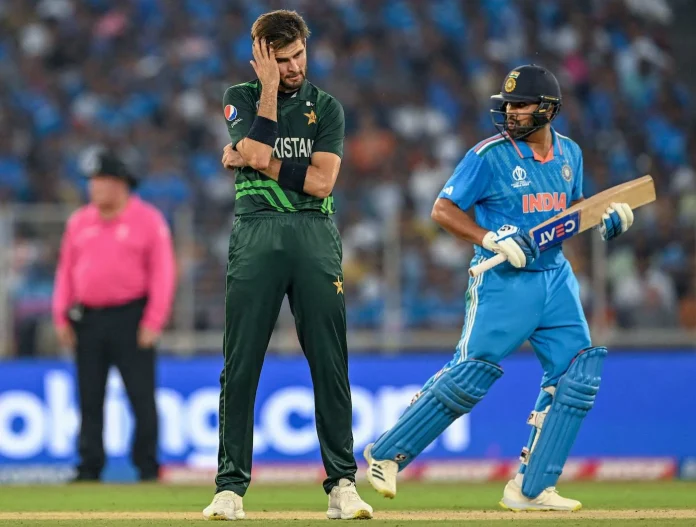
The India national cricket team vs Pakistan national cricket team match scorecard is one of the most searched topics among cricket fans because matches between these two teams attract enormous attention across the world. India and Pakistan have a long-standing cricket rivalry, with every encounter bringing high expectations, intense competition and memorable performances. Whether the teams meet in an ICC tournament, the Asia Cup or another international competition, supporters closely follow every run, wicket, partnership and turning point.
A cricket scorecard provides a detailed record of a match, helping readers understand how each team performed throughout the innings. It includes batting scores, bowling figures, extras, fall of wickets and the final result. However, understanding a match requires more than simply checking the total runs. The timing of important wickets, the quality of partnerships and the effectiveness of bowling changes can explain why one team gained the advantage. This guide explores the essential elements of an India versus Pakistan scorecard, match statistics, player performances and the factors that influence the outcome of this famous cricket contest.
India vs Pakistan Cricket Rivalry
India and Pakistan have developed one of the most closely followed rivalries in international cricket. Their matches are often associated with tremendous public interest, passionate supporters and pressure-filled moments. Players from both teams understand that their performances are watched by millions of fans, making concentration and composure especially important.
The rivalry has produced memorable encounters across One Day Internationals, Twenty20 Internationals and Test cricket. Their meetings in major tournaments frequently carry additional significance because the result can influence qualification, group standings or progress towards a championship. Although historical records provide useful context, every match presents a new challenge based on current form, playing conditions and team selection.
For readers searching for the India national cricket team vs Pakistan national cricket team match scorecard, identifying the exact fixture is essential. The two teams have played numerous matches across formats and competitions, so there is no single scorecard that represents every encounter. The match date, tournament and format help establish the correct batting figures, bowling statistics and final result.
Understanding the Match Scorecard
A cricket scorecard summarises the performance of both teams in a structured format. It allows readers to identify the leading batters, the most effective bowlers and the major events that shaped the result. In a limited-overs match, the innings total and the number of overs remaining are particularly important, while Test cricket scorecards also include multiple innings and follow-on information when applicable.
The batting section generally records the player’s name, runs scored, balls faced, boundaries, sixes and dismissal method. Bowling figures commonly include overs, maidens, runs conceded, wickets taken and economy rate. Additional information, such as extras and the fall of wickets, helps explain how the innings developed.
A scorecard should always be read alongside the match summary. A team might post a competitive total but lose because the opposition chased effectively. Similarly, a side with a modest score may defend it successfully through disciplined bowling and excellent fielding. Understanding these details makes scorecard analysis more meaningful than simply comparing the two totals.
India vs Pakistan Match Scorecard Table
The following table provides a scorecard template for reviewing a specific India versus Pakistan fixture. Because the match date and tournament have not been specified, the entries below are placeholders rather than verified match results.
| Scorecard Detail | India | Pakistan |
|---|---|---|
| Innings total | To be confirmed | To be confirmed |
| Overs played | To be confirmed | To be confirmed |
| Leading run-scorer | To be confirmed | To be confirmed |
| Highest individual score | To be confirmed | To be confirmed |
| Best bowling figures | To be confirmed | To be confirmed |
| Total wickets lost | To be confirmed | To be confirmed |
| Extras conceded | To be confirmed | To be confirmed |
| Final result | To be confirmed | To be confirmed |
This table can be completed using the official scorecard for the relevant fixture. Readers should verify the figures before publishing match-specific statistics, especially when reporting a recent encounter or comparing individual performances across tournaments.

India’s Batting Performance
India’s batting approach against Pakistan often depends on the format, pitch conditions and strength of the opposition’s bowling attack. In limited-overs cricket, a strong opening partnership can establish a foundation for the innings. Openers aim to rotate the strike, punish loose deliveries and avoid unnecessary risks during the initial overs.
The middle order becomes particularly important when early wickets fall or the scoring rate needs to increase. Experienced batters may focus on rebuilding the innings through singles and doubles before attacking favourable matchups. In the closing overs of an ODI or T20I, power hitters can change the momentum by finding boundaries consistently. Their contribution is especially valuable when a team needs to accelerate towards a challenging total.
When reviewing India’s batting figures, readers should consider more than the highest individual score. Strike rate, balls faced, boundary percentage and partnership contributions help explain the overall performance. A batter scoring a quick 35 may provide greater value in a short chase than a slower innings of similar length. The correct interpretation depends on the match situation, required run rate and wickets available.
Pakistan’s Batting Performance
Pakistan’s batting lineup has traditionally featured a combination of technically accomplished batters, aggressive stroke-makers and players capable of building substantial partnerships. Against India, the ability to manage pressure is often as important as natural attacking ability. Batters must assess the conditions carefully, protect their wickets and identify opportunities to score without allowing the bowling side to control the innings.
The opening partnership can establish the pace of Pakistan’s innings, while the middle order often determines whether the team can recover from setbacks. If wickets fall early, rebuilding becomes a priority. If the opening batters provide a solid platform, the remaining players can look to increase the scoring rate and put pressure on India’s bowlers.
The India national cricket team vs Pakistan national cricket team match scorecard can help identify which Pakistani batters made the greatest contribution in a particular fixture. Runs, strike rates, boundary counts and dismissal details reveal how effectively the lineup handled the opposition. Partnership statistics are also useful because two batters working together can stabilise an innings even when neither produces the highest individual score.
Bowling Analysis and Wicket-Taking Contributions
Bowling performances frequently determine the direction of India-Pakistan encounters. Fast bowlers can create early pressure with pace, movement and accurate lengths, while spinners may control the middle overs by varying their flight and pace. The best bowling strategy depends on the surface, weather conditions, batter matchups and the stage of the innings.
India’s bowling analysis should consider how effectively the attack restricted runs and took wickets. A bowler who removes an established batter can create an important breakthrough, while another who concedes very few runs may force the opposition into risky shots. Pakistan’s bowling attack faces similar demands when trying to contain India’s batting lineup.
Important bowling statistics include:
- Wickets taken: Shows how many batters a bowler dismissed.
- Economy rate: Measures the average runs conceded per over.
- Strike rate: Indicates the average number of deliveries required per wicket.
- Dot-ball percentage: Helps assess how effectively a bowler restricts scoring.
- Extras conceded: Highlights runs given away through wides and no-balls.
These measurements provide a clearer picture of bowling impact than wickets alone. A bowler’s contribution should always be evaluated in relation to the match situation and the team’s overall strategy.
Key Players and Individual Match Statistics
Individual performances often become the main talking points after a high-profile India-Pakistan match. A batter who anchors a successful chase, a fast bowler who takes crucial wickets or an all-rounder who contributes with both bat and ball can significantly influence the result.
When examining a match, readers should identify the leading run-scorer, the player with the best bowling figures and any all-rounder who made a decisive contribution. Wicketkeepers may also influence the outcome through catches, stumpings and sharp work behind the stumps. Fielders deserve attention because a difficult catch or direct-hit run-out can change the course of an innings.
Useful statistics to review include total runs, balls faced, strike rate, fours, sixes, wickets, economy rate, catches and run-outs. These figures can also be compared with the player’s recent form, although one match should not be treated as a complete measure of ability. Conditions and opposition quality vary, so individual statistics are most informative when interpreted in context.
Major Turning Points in India vs Pakistan Matches
Close matches are often decided by a small number of critical moments. An early wicket can disrupt a team’s plans, while a lengthy partnership can restore confidence and establish control. In a successful chase, the timing of acceleration is especially important because batters must balance the required run rate against the risk of losing wickets.
Bowling changes can also influence momentum. Introducing a spinner against a batter who struggles with turn, or bringing back a fast bowler for a crucial late spell, may create an opportunity for a breakthrough. Fielding decisions, missed catches and misjudged singles can have similarly significant consequences.
When analysing a particular fixture, consider these key questions:
- Which partnership contributed the most runs?
- When did the first major change in momentum occur?
- Which bowler delivered the most important spell?
- Did dropped catches or run-outs affect the result?
- How did the teams manage pressure in the final overs?
- Which player made the greatest overall contribution?
Answering these questions turns a basic scorecard into a more complete account of the match.
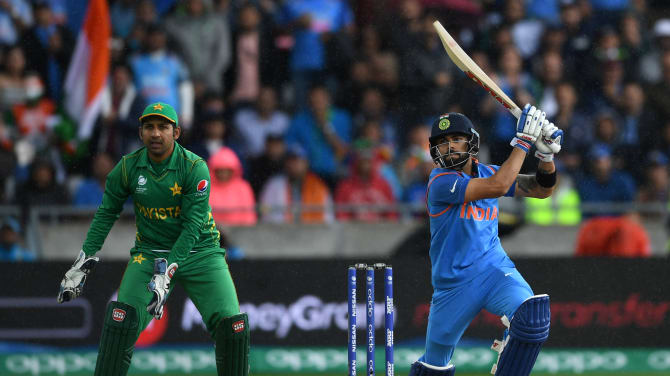
Head-to-Head Records Across Cricket Formats
India and Pakistan have met in several formats, and their records differ depending on the competition and playing conditions. Test cricket places a premium on patience, endurance and the ability to perform across multiple innings. ODIs require teams to manage a fixed allocation of overs, combining sustained batting with controlled acceleration. T20Is demand quick decision-making, efficient scoring and effective execution during short, high-pressure spells.
Tournament context also matters. World Cup matches, Asia Cup fixtures and bilateral encounters may involve different team combinations, conditions and strategic priorities. Head-to-head statistics should therefore be organised by format and competition instead of combining every match into one undifferentiated total.
Readers researching the India national cricket team vs Pakistan national cricket team match scorecard should verify the date and format before comparing historical results. A Test scorecard cannot be interpreted in the same way as a T20I scorecard, and tournament statistics should not be confused with overall international records. Accurate categorisation makes historical comparisons more reliable and useful.
How Pitch and Weather Conditions Influence the Result
Pitch conditions can have a substantial effect on the outcome of an India-Pakistan match. A surface offering pace and bounce may favour fast bowlers, whereas a dry pitch can provide assistance to spinners as the game progresses. Batters must adjust their footwork, shot selection and scoring plans according to the behaviour of the surface.
Weather can also shape match strategy. Humidity, cloud cover and dew may affect bowling grip, swing and fielding conditions. In limited-overs matches, rain interruptions can reduce the number of available overs and change the target through the applicable calculation method. Teams must therefore remain flexible when conditions change.
The toss can influence tactical decisions, but winning it does not guarantee success. Captains consider the surface, weather forecast, team strengths and whether batting or bowling first offers a potential advantage. A useful match report connects these factors with the scorecard, explaining how conditions may have influenced the teams’ performances without assuming that one factor alone determined the result.
Conclusion
The India national cricket team vs Pakistan national cricket team match scorecard offers an effective way to understand one of international cricket’s most closely followed rivalries. Batting totals, individual scores, bowling figures, partnerships and fielding contributions reveal how a match developed and why one team gained the advantage.
For accurate reporting, readers should always identify the specific fixture before using match statistics. The date, tournament and format are essential for locating the correct result and avoiding confusion between different encounters. By combining scorecard figures with an analysis of key players, turning points, pitch conditions and tactical decisions, cricket fans can gain a deeper understanding of every India-Pakistan contest.
Ultimately, a scorecard is more than a record of runs and wickets. It is a concise account of the performances and decisions that shape a cricket match, helping fans appreciate the skill, strategy and pressure behind every result.