
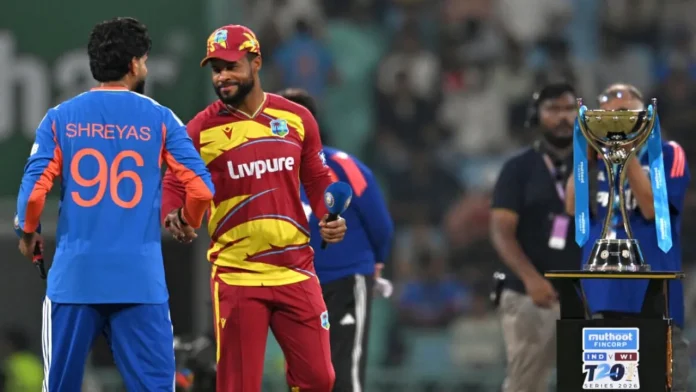
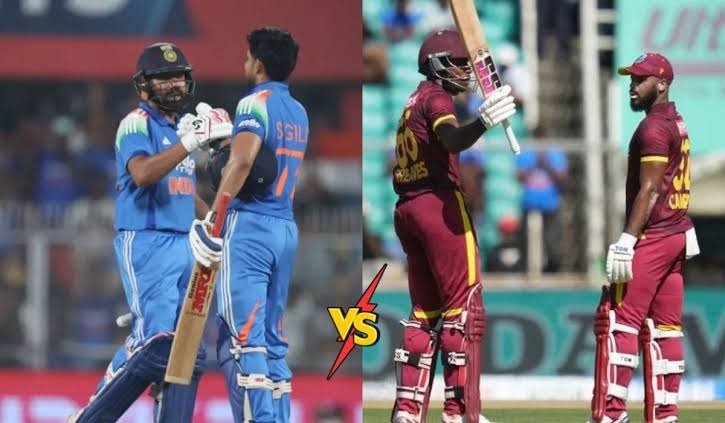
The West Indies cricket team vs India national cricket team match scorecard is a popular search topic among cricket fans who want to understand the performances, turning points, and final results of matches between these two international teams. India and the West Indies have a long cricketing history, with memorable contests across Test matches, One Day Internationals (ODIs), and Twenty20 Internationals (T20Is). Their encounters often feature powerful batting, skilful bowling, athletic fielding, and exciting individual performances.
India is widely recognised for its technically strong batters, varied bowling attack, and depth across formats. The West Indies, meanwhile, have a proud cricketing tradition built around aggressive batting, fast bowling, and exceptional white-ball talent. When these teams meet, the contest can shift quickly because both sides have players capable of changing a match within a few overs or a single session.
A scorecard provides more than the final result. It helps readers examine runs scored, wickets lost, overs bowled, individual contributions, partnerships, extras, and bowling figures. Since the scorecard depends on the specific match and format, readers should identify the match date and competition before comparing statistics. This article explains how to understand the scorecard, assess player performances, and identify the factors that shape the rivalry without presenting unverified figures as actual match results.
West Indies vs India Cricket Rivalry
The cricket rivalry between India and the West Indies spans several generations. The teams have competed in international cricket across different eras, producing contests that reflect changing tactics, playing conditions, and team strengths. The West Indies enjoyed periods of extraordinary dominance in international cricket, particularly during the late twentieth century, while India developed into a major force across all three formats.
In Test cricket, matches between these teams often highlight patience, technique, and the ability to maintain pressure over multiple days. ODIs demand a balance between building partnerships and accelerating the scoring rate, whereas T20Is place greater emphasis on power hitting, variations in bowling, and rapid decision-making.
The West Indies cricket team vs India national cricket team match scorecard helps fans compare these different approaches. For example, a Test scorecard may reveal a batter’s ability to build a long innings, while a T20I scorecard can show how effectively a player scores boundaries under pressure. Understanding the format is therefore essential before interpreting the numbers or comparing performances from different matches.
Recent Match Scorecard: India vs West Indies
The 2026 international series between India and the West Indies produced several high-scoring matches and dramatic changes in momentum. In the second ODI at Guwahati on 30 September 2026, West Indies scored 405/7 in 50 overs, but India successfully chased the target with 406/2 in 43.3 overs. Shubman Gill scored an unbeaten 223, while Rohit Sharma contributed 101, helping India win by eight wickets. The result demonstrated how powerful batting and well-managed partnerships can overcome even a massive first-innings total.
The T20I series also delivered memorable performances. West Indies won the fourth T20I in Hyderabad by 24 runs after scoring 247/3, with captain Shai Hope making an unbeaten 102. India responded with 223 before being dismissed in 19.3 overs. Keemo Paul claimed five wickets for West Indies, making a decisive contribution to the victory. These matches show why checking the match date and format is essential when searching for an accurate scorecard.
Scorecard Summary Table
| Match | West Indies score | India score | Result |
|---|---|---|---|
| 1st ODI, 27 September 2026 | 295/7 (50 overs) | 300/2 (41.4 overs) | India won by 8 wickets |
| 2nd ODI, 30 September 2026 | 405/7 (50 overs) | 406/2 (43.3 overs) | India won by 8 wickets |
| 3rd ODI, 3 October 2026 | 352/5 (48.2 overs) | 351/7 (50 overs) | West Indies won by 5 wickets |
| 1st T20I, 6 October 2026 | 171 (19.1 overs) | 172/2 (14.4 overs) | India won by 8 wickets |
| 2nd T20I, 9 October 2026 | 252/4 (18.3 overs) | 249/5 (20 overs) | West Indies won by 6 wickets |
| 3rd T20I, 11 October 2026 | 209/7 (20 overs) | 223 (20 overs) | India won by 14 runs |
| 4th T20I, 14 October 2026 | 247/3 (20 overs) | 223 (19.3 overs) | West Indies won by 24 runs |
Scores and results: published international match records.

How to Read a Cricket Match Scorecard
A cricket scorecard summarises the major events of an innings. It records each batter’s contribution, the number of overs bowled, wickets lost, extras conceded, and the performance of the bowling attack. Reading these details together gives a clearer picture of how a team established its total or chased a target.
For example, a score of 250/5 in 20 overs means that the batting team scored 250 runs and lost five wickets during its allotted 20 overs. In a limited-overs match, the number of overs remaining can be just as important as the number of wickets available. A team with several wickets in hand may accelerate late in the innings, while a side that loses wickets quickly may struggle to maintain its scoring rate.
The West Indies cricket team vs India national cricket team match scorecard can also reveal whether a victory was built around one outstanding innings or a collective effort. A large individual score, several useful partnerships, economical bowling, or timely wickets may each contribute significantly to the final outcome.
Important Scorecard Terms
-
Runs: The total number of runs scored by a batter or team.
-
Balls faced: The number of deliveries faced by an individual batter.
-
Strike rate: Runs scored per 100 balls faced.
-
Overs: The number of six-ball overs completed, subject to playing regulations.
-
Wickets: The number of batters dismissed.
-
Economy rate: The average runs conceded per over by a bowler.
-
Extras: Runs awarded through wides, no-balls, byes, and leg-byes, among other applicable categories.
-
Partnership: The runs added by two batters while batting together.
Batting Performances That Shape the Result
Batting statistics are often the first figures fans examine when comparing India and West Indies. A high individual score can establish a competitive total, but the context of the innings matters. The number of balls faced, boundary count, wickets available, and match situation help determine how valuable a contribution was.
Shubman Gill’s unbeaten 223 in the second ODI of September 2026 illustrates the impact of a major innings. His contribution, combined with Rohit Sharma’s century, helped India complete a chase of 406. Rather than relying on a single batter, India benefited from substantial contributions at the top of the order and enough support to finish the chase successfully.
West Indies also demonstrated their batting strength during the 2026 series. Shai Hope’s unbeaten century in the fourth T20I highlighted his ability to combine timing with power hitting. His innings helped West Indies post a formidable total that placed India’s batting lineup under considerable pressure. When analysing any scorecard, fans should examine both the leading run-scorer and the contributions made by the other batters.
Bowling Analysis and Wicket-Taking Ability
Bowling figures provide essential context for understanding the result. A bowler’s total wickets are important, but the runs conceded and overs completed also matter. A bowler who takes two wickets while maintaining a low economy rate may create significant pressure, even if another player claims more wickets.
India generally uses a combination of pace, swing, seam movement, and spin to challenge opposing batters. West Indies can counter with fast bowlers who generate bounce, alongside spinners and seamers who use changes of pace. The effectiveness of these approaches depends on pitch conditions, weather, boundaries, and the stage of the innings.
Keemo Paul’s five-wicket performance in the fourth T20I against India in October 2026 was a notable example of a bowler changing a match. After West Indies posted 247/3, Paul helped restrict India to 223. His wicket-taking ability prevented India from completing the chase despite the home side’s substantial scoring effort.
When examining bowling figures, readers should consider:
-
Wickets taken and the importance of the dismissed batters.
-
Runs conceded and the economy rate.
-
Performance during the powerplay and final overs.
-
Dot balls and pressure created between boundaries.
-
Support from fielders and the impact of catches or run-outs.
The Importance of Partnerships and Fielding
Partnerships frequently determine whether a team can recover from early setbacks or turn a promising start into a match-winning total. Two batters who communicate well and rotate the strike can keep the scoreboard moving while limiting pressure. Later in the innings, an effective partnership can increase the scoring rate through boundaries and calculated risks.
Fielding is equally important. A dropped catch may allow a key batter to continue scoring, while an accurate throw can create a run-out at a crucial moment. Boundary saves reduce the opposition’s total, and coordinated field placements can encourage batters to play riskier shots.
When reviewing a scorecard, fans should look beyond runs and wickets to understand how these smaller contributions shaped the game. Partnerships, extras, missed opportunities, and the timing of dismissals can explain why a close contest ultimately favoured one side.
Test, ODI, and T20I Scorecard Differences
The format of a match changes how its scorecard should be interpreted.
| Feature | Test cricket | ODI cricket | T20I cricket |
|---|---|---|---|
| Standard format | Up to five days | 50 overs per innings | 20 overs per innings |
| Main batting priority | Build substantial innings | Balance stability and acceleration | Score quickly while managing wickets |
| Bowling focus | Sustained pressure and dismissals | Control runs and take wickets | Limit boundaries and exploit key moments |
| Key statistics | Runs, wickets, innings, bowling figures | Run rate, partnerships, wickets | Strike rate, boundary percentage, economy |
| Common tactical challenge | Endurance and changing conditions | Managing the middle and final overs | Maximising scoring opportunities |
Test cricket requires patience and consistency over extended periods. ODIs reward teams that can build a solid foundation before accelerating. T20Is place greater emphasis on aggressive scoring, specialised bowling plans, and quick decisions. Therefore, statistics should be interpreted within the format rather than compared without context.
Key Factors Behind an India or West Indies Victory
Several factors can determine the outcome of a match between these teams. The toss may influence tactical decisions, particularly when pitch conditions change or dew makes the ball difficult to grip. However, winning the toss does not guarantee victory.
The opening overs are another major factor. Early wickets can disrupt a batting plan, while a strong powerplay gives the batting team greater flexibility. During the middle overs, partnerships and strike rotation help maintain momentum. At the end of an innings, accurate yorkers, slower balls, and sensible shot selection can determine whether a team finishes strongly.
Other important considerations include:
-
Pitch conditions and the amount of assistance available to bowlers.
-
The form and fitness of key players.
-
The ability to handle spin and high-quality pace bowling.
-
The number of extras conceded.
-
Fielding standards and the conversion of chances.
-
Decision-making under pressure during the closing overs.
A complete assessment combines these elements instead of judging the result solely by the highest score or the number of wickets taken.
Why Fans Search for Match Scorecards
Cricket scorecards are useful for fans, analysts, journalists, and fantasy cricket followers who want to examine performances in detail. They provide a structured record that makes it easier to compare players, identify trends, and revisit important matches.
Fans may search for a scorecard to confirm who won, find the leading run-scorer, review bowling figures, or understand the margin of victory. Analysts can use the same information to assess strike rates, scoring patterns, and the effectiveness of different bowling options.
For accurate information, it is important to identify the date, venue, and competition. India and West Indies compete across multiple formats, and their results differ from one match to another. A scorecard from a Test match cannot be used to describe a T20I, and figures from one series should not be mixed with those from another.
Conclusion
The West Indies cricket team vs India national cricket team match scorecard provides a detailed view of the rivalry between two teams with rich cricketing traditions. Batting contributions, bowling figures, partnerships, extras, and fielding performances all help explain how a match develops and why one side wins.
The 2026 encounters demonstrated the competitive nature of this rivalry, including India’s successful high-scoring ODI chase and West Indies’ powerful T20I performances. These results also show that both teams can produce outstanding individual displays while relying on contributions from the wider squad.
For the most useful analysis, readers should check the exact match, format, and date before interpreting the figures. Understanding the statistics alongside the match situation turns a simple scorecard into a clearer account of the tactics, performances, and decisive moments that make international cricket exciting.