

Cricket rivalries become legendary when sporting excellence, history, emotion and unforgettable performances come together. Few contests in international cricket attract as much attention as India vs Pakistan. Whenever these neighbouring nations meet on the cricket field, millions of fans follow every delivery, boundary, wicket and strategic decision. The atmosphere surrounding these games is often intense, with supporters from both countries expecting their teams to deliver exceptional performances.
The rivalry extends beyond individual matches because both teams have produced generations of outstanding batters, skilful bowlers and memorable captains. From traditional Test cricket to the fast-paced excitement of T20 internationals, every format presents a different challenge. Major tournaments add even greater significance, especially when the teams compete for qualification, trophies or regional bragging rights. Understanding the history, playing styles and tactical battles behind this fixture helps explain why it remains one of cricket’s most closely watched sporting events.
The History of the India-Pakistan Cricket Rivalry
The cricketing relationship between India and Pakistan began in 1952, when Pakistan toured India for its first Test series. Since then, political developments, sporting agreements and international tournament schedules have influenced how frequently the two teams have played bilateral cricket. Although regular bilateral series have been limited for many years, international competitions continue to provide opportunities for the teams to meet.
Over the decades, both countries have built proud cricketing traditions. India has developed a reputation for producing technically accomplished batters and a strong domestic cricket system, while Pakistan has historically been admired for its fast-bowling talent, unpredictable match-winning performances and ability to produce exceptional individual players. These characteristics have helped create a rivalry in which neither team can rely solely on reputation.
Historic encounters have included dramatic finishes, outstanding centuries, devastating bowling spells and pressure-filled run chases. Each generation has added new chapters to the story, ensuring that younger supporters inherit the same enthusiasm as long-time cricket followers.
Why India vs Pakistan Matches Attract Global Attention

The popularity of India vs Pakistan comes from a combination of cricketing quality, cultural significance and passionate fan communities. These matches regularly attract substantial television audiences and online engagement, particularly during major international tournaments. Supporters often begin discussing possible team selections, batting combinations and bowling strategies well before the first ball is delivered.
The pressure is another defining feature. Players must perform in front of enormous audiences while managing expectations from fans, media and former cricketers. A strong opening partnership, an important middle-over wicket or a successful final-over defence can change the mood of an entire stadium within minutes.
Despite the intense competition, these fixtures also demonstrate cricket’s ability to bring people together through a shared interest in sport. Fans appreciate individual brilliance regardless of nationality, and memorable performances often earn respect from supporters of both teams. The rivalry is most compelling when competitive intensity is balanced with sportsmanship and respect for the opposition.
Head-to-Head Record Across Cricket Formats
The head-to-head record provides useful context for understanding the rivalry. India and Pakistan have competed in Test matches, One Day Internationals (ODIs) and Twenty20 Internationals (T20Is), with each format rewarding different strengths. Pakistan has historically held an advantage in overall ODI and Test victories, while India has enjoyed considerable success in T20 internationals and major global tournaments.
As of October 2026, published historical records list 59 Test matches, 136 ODIs and 17 T20Is between the men’s senior teams. The outcomes vary by format, and the totals depend on how ties, bowl-outs and no-results are classified.
| Format | Matches played | Key characteristic |
|---|---|---|
| Test cricket | 59 | Patience, technique and endurance |
| One Day Internationals | 136 | Batting depth and sustained bowling pressure |
| T20 Internationals | 17 | Power hitting and rapid tactical decisions |
These figures provide historical context rather than a prediction of future results. Team combinations, playing conditions, injuries and recent form can significantly influence an individual match.
Memorable Matches That Defined the Rivalry
Several encounters have become important landmarks in cricket history. One of the most memorable was the final of the inaugural ICC Men’s T20 World Cup in 2007. India defeated Pakistan by five runs in a tense finish, establishing an iconic moment in the development of international T20 cricket.
Another landmark came in the 2011 ODI World Cup semi-final in Mohali. India won by 29 runs and subsequently progressed to the final, eventually lifting the trophy. The match demonstrated how disciplined bowling and careful management of pressure could determine the outcome of a high-profile contest.
Pakistan produced its own unforgettable performance in the 2017 ICC Champions Trophy final, defeating India by 180 runs. Fakhar Zaman’s century and an outstanding collective bowling display helped Pakistan secure the title. More recently, Pakistan defeated India by ten wickets at the 2021 T20 World Cup, while India answered with a dramatic four-wicket victory in Melbourne in 2022. These contrasting results illustrate why neither team’s past achievements can guarantee victory in a future encounter.
Recent India vs Pakistan Matches and Results
Recent meetings have further strengthened India’s record in major limited-overs competitions. During the 2024 T20 World Cup, India defended a modest total to defeat Pakistan by six runs in New York. The match highlighted the importance of bowling discipline, composure and taking wickets at crucial moments.
In the 2025 ICC Champions Trophy, India chased Pakistan’s target of 242 and won by six wickets. The teams also met repeatedly during the 2025 Asia Cup, including its final, which India won by five wickets. These encounters demonstrated India’s ability to adapt its batting approach and manage pressure during important stages of a chase.
The February 15, 2026, T20 World Cup match in Colombo was another significant result. India scored 175 for seven before bowling Pakistan out for 114, winning by 61 runs. Ishan Kishan scored 77 from 40 balls and was named Player of the Match. India’s fast bowlers and spinners then worked together to prevent Pakistan from establishing a successful chase.
These recent results show India’s strong run in tournament meetings, but Pakistan remains capable of producing exceptional performances when its batting and bowling units operate effectively.
Key Players Who Shape the Contest
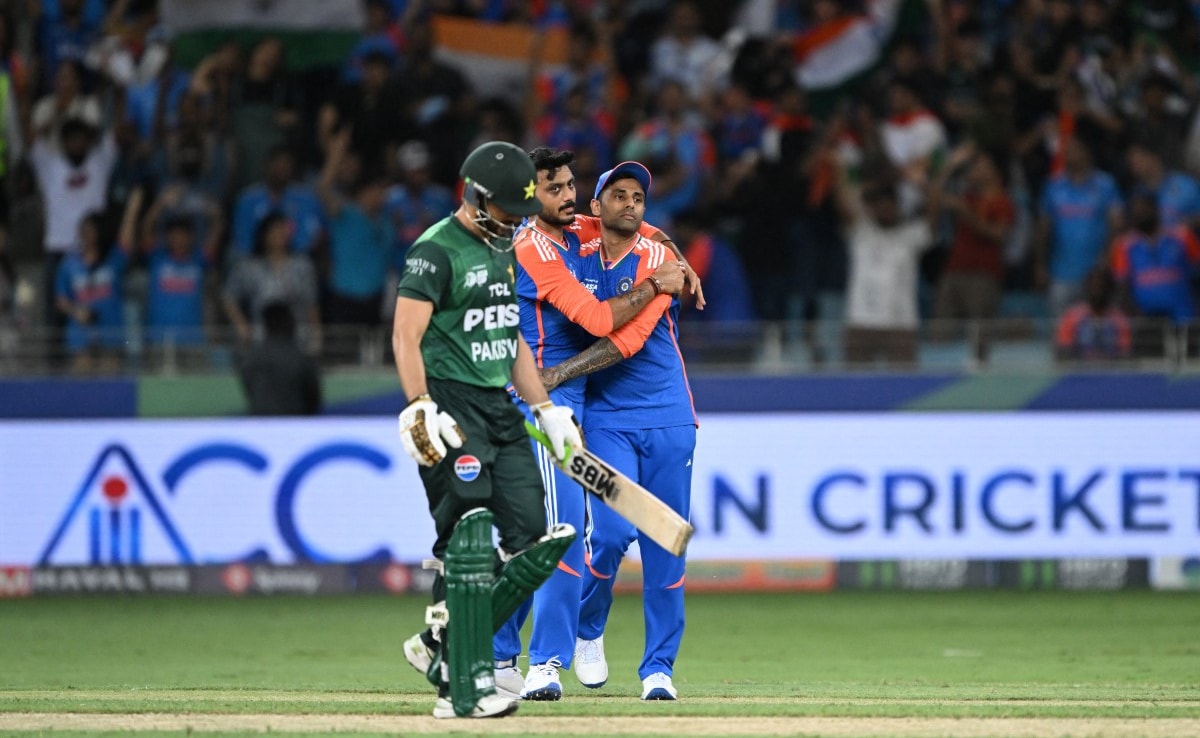
Individual performances often determine the outcome of high-pressure matches. India’s batting approach has traditionally benefited from technically sound top-order players, experienced middle-order batters and finishers capable of accelerating during the final overs. Its bowling attack can combine high pace, swing and spin, allowing captains to respond to different pitch conditions.
Pakistan has traditionally been recognised for producing fast bowlers who can generate pace, movement and bounce. Its batting line-up can also build substantial totals when the top order establishes a solid foundation. However, consistency across the entire innings remains essential, particularly when facing an opponent with multiple bowling options.
Players to watch in any upcoming fixture should be selected according to the confirmed squads and current form. Useful categories include:
-
Top-order batters: Responsible for building a platform and managing the new ball.
-
Middle-order players: Expected to rebuild after wickets or increase the scoring rate.
-
Fast bowlers: Important for early breakthroughs, reverse swing and death-over execution.
-
Spinners: Valuable for controlling the middle overs and exploiting turning surfaces.
-
All-rounders: Provide flexibility with both bat and ball.
The most influential player is not necessarily the one who scores the most runs or takes the most wickets. A timely partnership, an economical spell or an exceptional fielding effort can change a match just as decisively.
Tactical Differences Between India and Pakistan
Tactics are central to this rivalry because the teams frequently look for ways to exploit specific weaknesses. India may seek to build a strong batting foundation before increasing the scoring rate, while also using its bowling variety to control the opposition’s scoring opportunities. Its approach can change depending on the pitch, required run rate and wickets remaining.
Pakistan’s traditional strengths include aggressive fast bowling and the ability to generate pressure through early breakthroughs. When its bowlers restrict the opposition during the powerplay, Pakistan can place attacking fielders and force batters to take risks. Its batting strategy must then balance scoring quickly with protecting wickets, especially when chasing a demanding target.
The most important tactical factors include:
-
Powerplay performance: Early runs and wickets can establish the direction of the innings.
-
Middle-over control: Teams must prevent scoring from becoming too easy while preserving batting resources.
-
Death-over execution: Accurate yorkers, slower balls and intelligent shot selection become decisive.
-
Fielding standards: Dropped catches and missed run-out opportunities can change close contests.
-
Captaincy decisions: Bowling changes and field placements must respond to match conditions.
These elements help explain why a small tactical advantage can have a substantial effect on the final score.
Pitch Conditions and Their Influence on the Result
Playing conditions often influence how India-Pakistan matches unfold. On a surface with good pace and bounce, batters can play attacking shots more confidently, while fast bowlers may find opportunities through movement and accurate short-pitched deliveries. A slower pitch can make stroke-making difficult and increase the importance of strike rotation.
Spin bowling can become particularly effective when the surface offers grip or when the ball becomes harder to hit cleanly. In day-night matches, dew may affect the grip available to bowlers and influence decisions at the toss. These factors are not guaranteed to determine the outcome, but they can shape team selection and match strategy.
The toss can be important in limited-overs cricket, especially when conditions change between innings. Nevertheless, a team that executes its plans effectively can overcome an unfavourable toss or a challenging surface. Successful sides assess the conditions carefully rather than relying on assumptions based on previous games.
How Fans Follow the Rivalry
Fans follow these fixtures through television broadcasts, digital scorecards, live commentary, sports news and social media discussions. Live score updates are especially useful for tracking partnerships, individual milestones, bowling figures and changes in the required run rate.
For readers searching for India vs Pakistan match information, it is important to distinguish confirmed results from predicted line-ups and speculative news. Official tournament announcements and verified scorecards provide the most reliable information about fixtures, team selections and final results.
Supporters can also gain a deeper understanding of a match by examining more than the final score. Partnership lengths, powerplay totals, wickets lost at different stages and bowling economy rates often reveal why one team gained an advantage. This approach makes following cricket more informative and helps fans appreciate performances beyond headline statistics.
What Makes the Next Encounter Interesting?
Every new meeting presents a different set of questions. Can India’s batters handle Pakistan’s pace attack? Will Pakistan’s top order withstand pressure from India’s varied bowling unit? Which team will adapt more effectively to the playing conditions, and who will perform when the match reaches its most demanding stage?
The answers depend on the confirmed squads, player fitness, recent performances and the format of the competition. A T20 match may reward immediate aggression, whereas an ODI demands a more carefully managed innings. In either format, a team that remains composed after losing early wickets can regain control.
The rivalry’s appeal also comes from uncertainty. Previous results provide useful context, but every match begins with a new opportunity for players to influence the narrative. Emerging talents can become household names, while established stars can strengthen their reputations through decisive performances.
Conclusion
India and Pakistan share one of international cricket’s most recognisable rivalries, shaped by historic encounters, outstanding players and passionate supporters. From the 2007 T20 World Cup final to the 2017 Champions Trophy final and the latest global tournament meetings, both teams have created moments that continue to attract attention from cricket fans worldwide.
The history of India vs Pakistan demonstrates that success depends on preparation, execution and the ability to manage pressure. Batting partnerships, disciplined bowling, effective captaincy and sharp fielding all contribute to the final result. While recent tournament performances provide valuable insight into the teams’ strengths, no historical statistic can guarantee what will happen next.
Ultimately, the rivalry remains compelling because every encounter offers a fresh contest between two proud cricketing nations. For fans, analysts and readers, understanding its history and tactical dimensions makes each new match even more engaging.